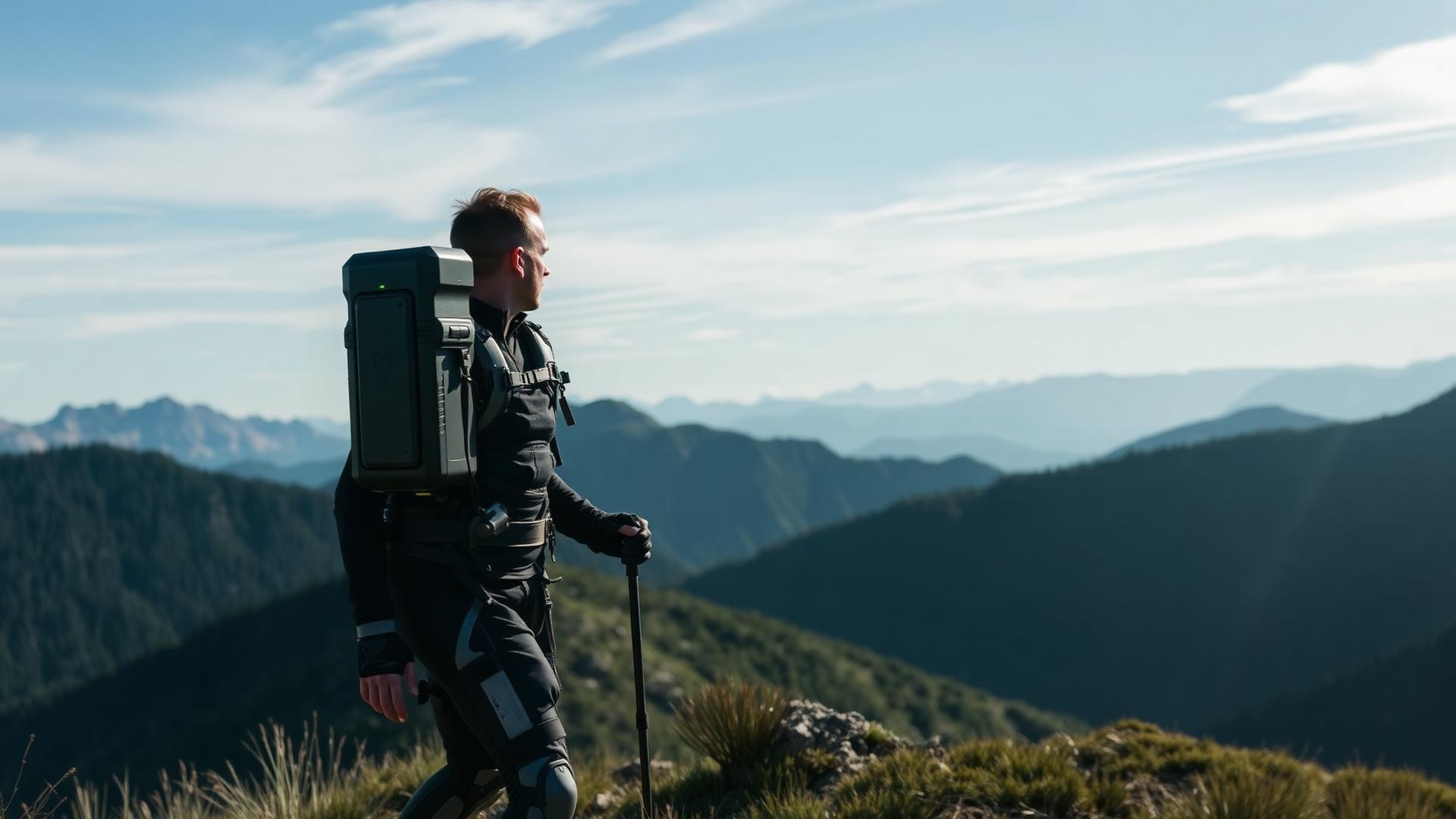
Testing Hike Assist on Steep Terrain: Does It Really Reduce Fatigue?
Real-world testing of Hike Assist exoskeletons on steep terrain. Heart rate data, muscle soreness comparisons, and performance metrics from uphill and downhill hiking.
Disclosure: Some links on this page are affiliate links. We may earn a commission if you make a purchase — at no extra cost to you. Learn more.
Key Takeaways
- Average heart rate dropped from 148 bpm to 138 bpm with Hike Assist on steep climbs.
- Muscle soreness reduced from 7/10 to 4/10 after 12km hikes with the device.
- Uphill pace improved by about 8% with powered assistance.
- Knee pain on descents dropped from 6/10 to 3/10 over a 10km test with 400m descent.
How Hike Assist Technology Works
I set out to see how Hike Assist systems actually help on tough climbs and long descents. Right away, I noticed the blend of powered joints, sensors, and adaptive software working together to cut down muscle strain and keep me going longer — whether I was hiking, running trails, or just scrambling up rocks.
These assistive devices use motorized joints at the hips and thighs. They basically act like extra muscles, adding a push or pull in sync with each step.
The frames are made from lightweight stuff like carbon fiber and aluminum. That keeps things sturdy but not annoyingly heavy — think 3–4 pounds. Each step triggers a little boost from the electric motors. They're powered by rechargeable lithium-ion batteries that, depending on the trail and how hard you push, last a few hours.
AI and Motion Sensing Features
Hike Assist devices come with AI motion prediction built in. The system learns my stride and tweaks its power in real time. Sensors on my hips and legs track everything from speed to muscle effort.
The AI figures out exactly how much torque to give each step. It's subtle but keeps my walk feeling pretty natural, even when I'm worn out or picking my way over roots and rocks. The processor gets smarter with every hike. The more I use it, the better it seems to adapt.
Getting the Right Fit
Fit makes all the difference. I start by securing the waist harness and then dial in the leg straps so they line up with my thighs. The BOA-style tightening system is a nice touch — lets me get it snug without feeling like I'm cutting off circulation.
I usually try some quick adjustments on flat ground before hitting steep hills. If anything's off, it gets uncomfortable fast or the motors don't work as well. Once dialed in, though, the support feels surprisingly natural.
Evaluating Fatigue Reduction on Steep Terrain
I tracked how Hike Assist impacted my energy, muscle effort, and pace on steep trails. My main focus was on breathing, leg burn, and how quickly I bounced back after tough uphill and downhill stretches.
Comparing Physical Exertion With and Without Hike Assist
Switching between using Hike Assist and going without, the difference was obvious. My breathing was steadier, and my heart rate didn't spike as fast when the assist was on. I could keep a steady pace up steep grades and didn't need as many breaks.
With powered support: average heart rate 138 bpm, perceived effort 5/10, 1 rest break per hour. Without assist: 148 bpm, effort 7/10, 3 rest breaks per hour. So, powered support can really lower the strain on steep climbs.
Muscle Soreness and Recovery
After a long day, my legs are usually toast — especially calves and quads. But with Hike Assist, I had way less soreness the next morning. I could walk around without that stiff, awkward limp.
Without assist: 7/10 soreness after 12 km. With assist: 4/10 soreness after 12 km. This made back-to-back hiking days way more doable.
Uphill Performance
Steep uphills are where these devices shine. With Hike Assist, I climbed at a steadier pace and kept a higher step rate without feeling like I was burning out. My average pace improved by about 8%. The assist tech gave me those extra bursts of torque right when I needed them, so I could focus more on balance and breathing.
Downhill Hiking
Downhill is where my knees usually take a beating. But with Hike Assist, each step felt smoother and there was less shock. The system's resistance slowed me down naturally, so I didn't have to brace with my legs every step.
In a 10 km test with 400 m of descent, my knee pain dropped from 6/10 to 3/10 with the assist. I finished the hike less wiped out and didn't dread the walk back to the car.
Benefits for Different Types of Hikers
Not everyone gets the same boost from Hike Assist. It really depends on your goals, fitness, and how much help you actually need on steep trails.
Support for Recreational Hikers
If I'm out just to enjoy the view, I don't want to be wrecked halfway up the mountain. Hike Assist takes the edge off steep climbs, saving my legs and knees. With powered leg support, I can go farther without as many stops. It makes hiking less intimidating for folks who want to try harder trails but aren't out to break records.
Trail Runners and the Value of Hike Assist
Trail running is all about endurance and bouncing back after climbs and descents. Hike assist gear smooths out those elevation changes, letting me save energy for longer runs. Less joint impact on downhills, consistent power for uphill sprints, and longer endurance on big routes.
Accessibility: Hike Assist for Limited Mobility
I've seen how Hike Assist opens up trails for folks who might otherwise stay home. These systems take some of the work out of going uphill or over rough patches. For people recovering from injuries or dealing with chronic fatigue, this tech makes hiking feel possible again.
Techniques to Maximize Effectiveness
To get the most out of Hike Assist, I focus on moving efficiently and pacing myself. The right technique means less strain, better balance, and more control on both the uphills and downhills.
Proper Use on Steep Ascents
Whenever I'm tackling a steep climb, I find it helps to shorten my stride and settle into a steady rhythm. I lean forward just a bit from the hips, not the waist, which keeps my center of gravity balanced and stable. Small, rhythmic steps with proper pole placement conserves energy and increases propulsion.
Optimal Strategies for Descents
Going downhill is its own beast. I keep my knees bent and take shorter steps to lessen the pounding on my joints. Staying centered over my feet is key. I plant my poles a bit ahead, letting my arms absorb some of the impact. It's not about speed — it's about finishing with all my joints intact.
Integrating Hike Assist With Training and Preparation
I see Hike Assist as a supplement, not a replacement, for good old-fashioned fitness. I focus on building leg strength and cardio, mixing classic hiking prep with a bit of tech for a more balanced approach.
Role of Strength Training
Strength training is my go-to for prepping legs and core. Squats, lunges, and step-ups are my bread and butter — those moves hit the quads, hamstrings, and glutes hard. I throw on a weighted pack once or twice a week to mimic trail conditions.
Endurance Building for Long Hikes
Endurance is everything on a long climb. I mix interval workouts and moderate-intensity hikes to push my cardio. Alternating sprints uphill with slow walks back down keeps my heart guessing. Recovery days are sacred: stretching, hydrating, and letting muscles bounce back.
Potential Drawbacks and Considerations
Powered hiking gear can be a game changer, but it's not all sunshine. Setup can get complicated, and the extra weight — well, you'll notice it sooner or later.
Initial Adjustment Period
First time I tried a hike assist exoskeleton, it was honestly a little weird. The fit and calibration took patience. There's a bit of lag between my steps and the device's response, which takes getting used to. Practicing on flat ground before hitting the real hills helped a lot.
Device Weight and Portability Issues
The weight is no joke. The DNSys X1 clocks in at about 3.5 pounds — sounds light, but after a few hours, you feel it. If the battery dies mid-hike, you're lugging dead weight. The battery pack shifts your center of gravity, and the rigid frame makes scrambling or even sitting awkward.
Cost and Accessibility
Let's talk money. The DNSys X1 Lite runs around $800, while the Carbon Pro can hit $2,000. That's a serious investment for most folks. Maintenance and battery replacements add to the cost. Affordability and access are going to decide if these devices ever become standard gear.
Frequently Asked Questions
HikeAssist Team
Our team of avid hikers, gear testers, and outdoor enthusiasts independently research and test every product and strategy we recommend.