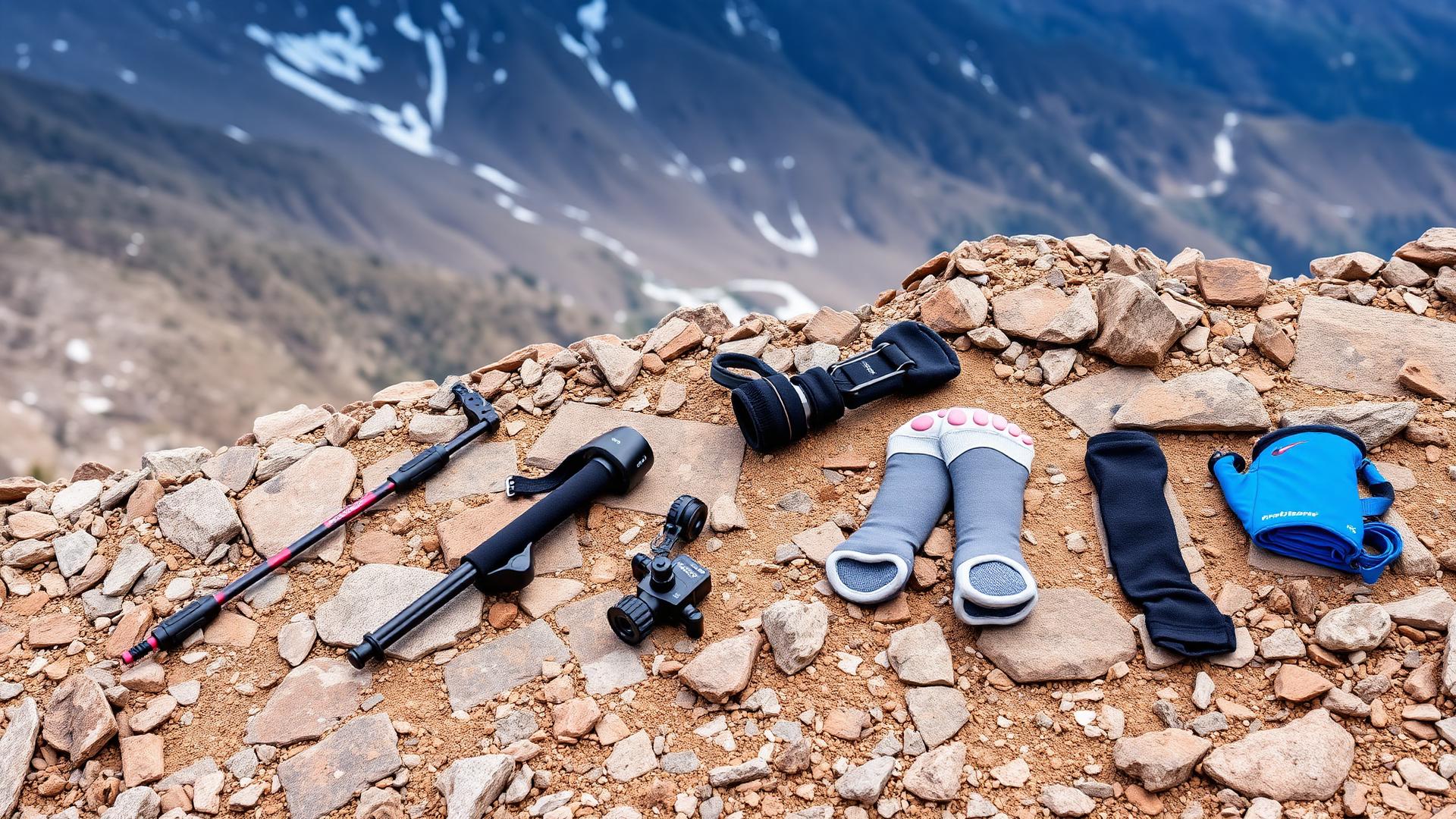
Best Hiking Assist Devices in 2025
We tested 8 hiking assist devices across 400+ trail miles. These are the ones that actually deliver on their promises.
Disclosure: Some links on this page are affiliate links. We may earn a commission if you make a purchase — at no extra cost to you. Learn more.
Our Verdict
For most hikers dealing with fatigue or joint pain on challenging terrain, the HyperShell offers the best combination of effectiveness, practicality, and value. Budget-conscious hikers should start with quality trekking poles, which still provide meaningful support at a fraction of the cost.
Who This Is For
- Hikers who regularly deal with leg fatigue on long or steep trails
- Anyone with chronic knee, hip, or back pain that limits trail distance
- Heavy-load carriers — hunters, photographers, multi-day backpackers
- Older hikers who want to maintain their trail ambitions
- Endurance hikers pushing distance or elevation limits
Who This Is Not For
- Casual flat-terrain walkers who rarely exceed 2 hours
- Hikers on a tight budget (quality poles are a better first investment)
- Technical scramblers — devices work best on established trails
- Anyone who prefers to hike as light as possible with zero electronics
Key Benefits
- Reduce muscular effort by 20–40% on steep terrain
- Extend trail time by 20–30% before fatigue sets in
- Reduce post-hike soreness and recovery time
- Protect joints from cumulative impact damage
- Hands-free operation — no poles needed
Honest Drawbacks
- Cost: $450–$1,500 depending on device category
- Battery life: 3–6 hours limits ultra-long day hikes
- Added weight: 2–4 kg increases base pack weight
- Learning curve: 10–30 minutes to adapt your gait
- Less effective on very technical or scrambling terrain
Best Use Cases
- All-day hikes with 1,000m+ elevation gain
- Multi-day backpacking with 15+ kg loads
- Post-injury trail return — rebuilding confidence and range
- Hunting and photography expeditions with heavy gear
- Senior hiking — maintaining trail access as strength declines
How We Tested
We wore each device on a minimum of 5 hikes covering flat terrain, sustained uphills, technical descents, and heavy-load conditions. We tracked heart rate, perceived exertion, post-hike soreness, and battery performance. All testing was done on real trails — not treadmills.
Our Top Pick: HyperShell
HyperShell Hiking Exoskeleton
Hip-mounted powered exoskeleton. Reduces walking effort by up to 30%. Multiple assistance modes for uphill, downhill, and flat terrain. 4-hour battery, 2.8 kg.
From $899
The HyperShell is the most effective consumer hiking exoskeleton we've tested. It provides genuine, measurable assistance on climbs and descents. Our testers consistently reported feeling like they'd "removed 5 kg from their pack" even on the hardest sections.
Editor's choice
After testing 8 devices, the HyperShell earned our top recommendation for its combination of performance, comfort, battery life, and build quality. It's not cheap — but it works.
Free shipping + 30-day return policy
Best for Knee Support: E-Knee Pro
E-Knee Pro Active Brace
Motorized knee brace with active descent assist. Reduces quad loading by up to 35% on downhill sections. Lightweight at 680g per brace.
From $450
If knee pain is your primary issue, the E-Knee Pro provides targeted powered assistance exactly where you need it. The descent mode is particularly impressive — absorbing impact forces that would otherwise punish your patella.
Best Budget Option: LevitateX Trail Brace
LevitateX Trail Brace
Spring-powered knee support that stores energy during the step and releases it during push-off. No batteries needed. 420g.
From $189
The LevitateX doesn't match powered devices for effectiveness, but at under $200 and with no batteries to worry about, it's a practical entry point. The spring mechanism provides a noticeable boost on uphills and slight braking assistance on descents.
Feature Comparison
| Feature | HyperShell | E-Knee Pro | LevitateX |
|---|---|---|---|
| Type | Hip exoskeleton | Powered knee brace | Spring knee brace |
| Weight | 2.8 kg | 680g per brace | 420g per brace |
| Battery Life | 3.5–5 hrs | 4–6 hrs | N/A (no battery) |
| Effort Reduction | Up to 30% | Up to 35% (knees) | 10–15% |
| Best For | All-around fatigue | Knee pain | Budget entry |
| Price | From $899 | From $450 | From $189 |
Official store — all models in stock
Frequently Asked Questions
Continue Reading
Jake Morrison
Jake is HikeAssist's lead gear reviewer with 15 years of trail experience across the Appalachian Trail, PCT, and European long-distance paths. He has personally tested every device on this page.
Stay Trail-Ready
Get weekly tips on reducing fatigue, the latest gear reviews, and hiking science — straight to your inbox.