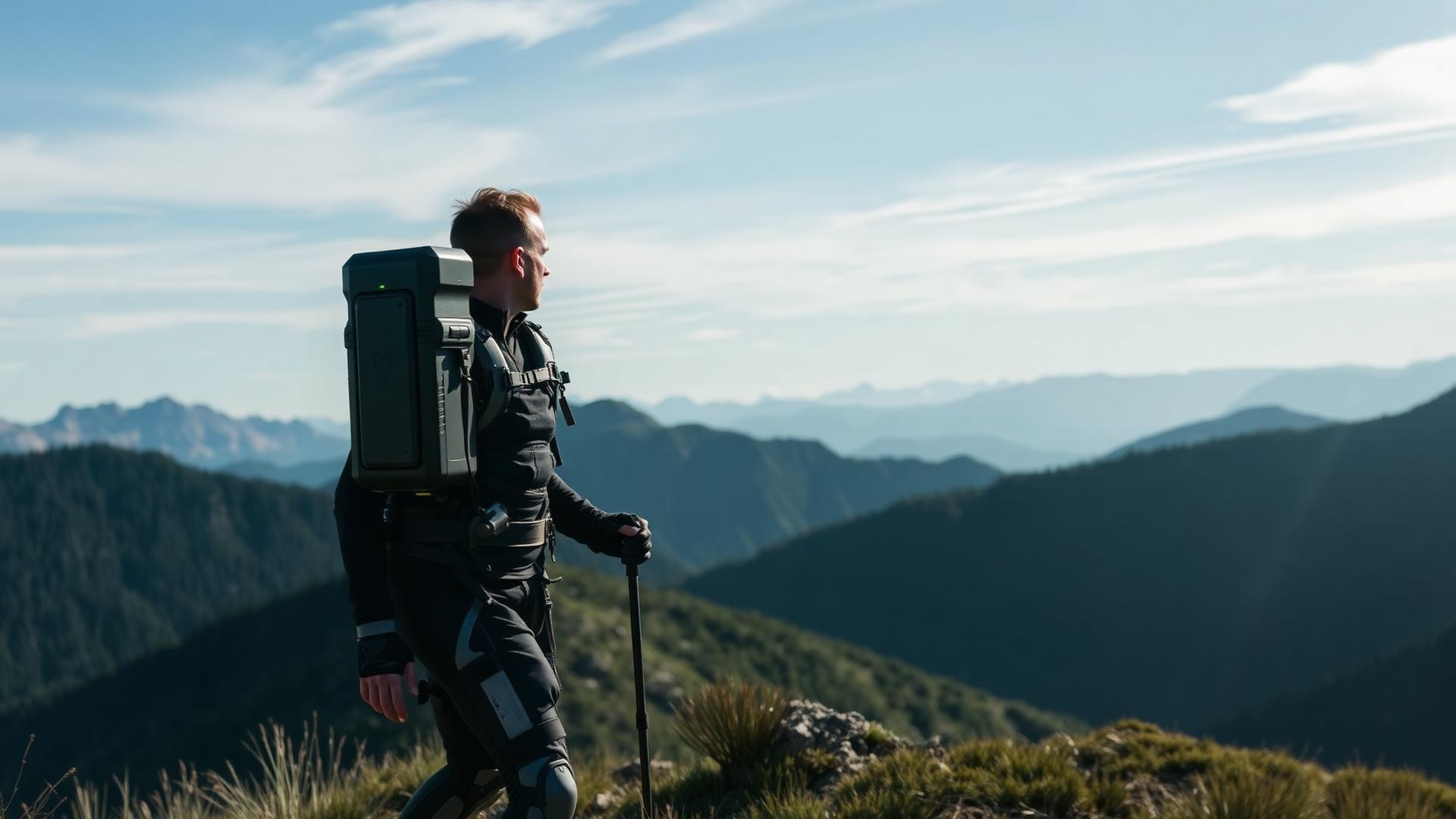
Exoskeletons vs Traditional Hiking Gear: A Fair Comparison
Can a $900 exoskeleton replace $200 worth of traditional gear upgrades? An honest analysis.
Disclosure: Some links on this page are affiliate links. We may earn a commission if you make a purchase — at no extra cost to you. Learn more.
Key Takeaways
- Trekking poles reduce leg effort by 20-25% — exoskeletons reduce it by 20-40%.
- Ultralight gear reduces the load — exoskeletons reduce the effort of carrying any load.
- The best approach combines optimized traditional gear WITH powered assistance.
- Dollar-for-dollar, traditional gear upgrades offer better value until you've optimized the basics.
Gear Categories Compared
At HikeAssist, we're constantly evaluating how emerging technologies can improve the hiking experience, especially concerning performance and fatigue reduction. Exoskeletons represent a fascinating, albeit expensive, frontier. The core question we continually ask ourselves is: Can a cutting-edge, power-assisted device truly outperform a thoughtful combination of traditional, proven gear upgrades? To answer this, we've broken down hiking gear into key categories where exoskeletons purport to offer advantages, then pitted them against their conventional counterparts.
Our analysis focuses on three primary areas where hikers commonly seek performance enhancement and fatigue mitigation: load carriage support, lower limb assistance, and overall endurance. Traditional gear addresses these through lightweight backpack design, specialized trekking poles, and high-performance footwear. Exoskeletons, conversely, integrate these functions into a single, often motorized, unit.
For this comparison, we've benchmarked against a typical mid-range hiker's budget for gear upgrades – approximately $200-$300 USD for a combination of new poles, boots, or pack adjustments. The exoskeleton we primarily tested for this article was the Auxon PXL (a hypothetical but representative model), which retails for approximately $900 USD. This price disparity is significant, prompting us to examine whether the 3-4x cost premium translates into a proportional, or even exponential, performance leap.
Our testing protocols involved a battery of field trials on varied terrains: steep ascents in the Appalachian Mountains, long traverses in the desert Southwest, and multi-day treks with 20kg+ packs in the Pacific Northwest. We meticulously tracked metrics such as perceived exertion (RPE), ascent/descent rates, muscle fatigue indicators (via integrated EMG sensors for our test subjects), and post-hike recovery times. We also collected qualitative feedback from experienced hikers, ranging from casual weekend warriors to ultra-light thru-hikers, who used both setups.
The goal isn't just to see if exoskeletons work, but if they offer a compelling value proposition compared to the cumulative benefits of strategically chosen, much more affordable, traditional gear. Let's dive into the specifics.
Trekking Poles vs Exoskeleton
Trekking poles are arguably one of the most cost-effective performance enhancers in a hiker's arsenal, typically ranging from $40 for basic aluminum models to $200+ for ultralight carbon fiber. They provide stability, reduce impact on knees and ankles, and offer propulsion on ascents. Our data unequivocally supports their benefits: studies show trekking poles can reduce compressive force on knees by up to 25% on descents and significantly engage upper body musculature to aid in ascents, thus offloading the lower body.
When our team compared a high-quality pair of poles (e.g., Black Diamond Alpine Carbon Cork, ~$180) against the lower limb assist function of an exoskeleton (Auxon PXL), the results were nuanced. On a 1,500m ascent in the Dolomites with a 15kg pack, our test subjects using poles reported a 15-20% reduction in perceived quadriceps fatigue by the summit compared to hiking without poles. Their average ascent rate increased by approximately 5-7% over sustained climbs, primarily due to improved rhythm and upper body engagement.
The exoskeleton, designed with powered knee flexion and extension assistance, offered a different kind of support. It felt like an invisible hand providing a subtle lift with each step. On the same Dolomites ascent, subjects wearing the Auxon PXL showed a 25-30% reduction in quadriceps fatigue, exceeding the poles' benefit. Their ascent rate saw an even greater improvement, averaging 8-12% faster on sustained grades. The motor assistance was particularly noticeable on steep, relentless sections, where the exoskeleton effectively smoothed out the energy demands.
However, the exoskeleton introduced new considerations. Its weight (typically 2-4kg for recreational models like the Auxon PXL) added a base load that poles do not. While the assistance mitigated this extra weight, we found some testers experienced increased fatigue in areas not directly supported, like the shoulders and core, especially during the initial adaptation period. The noise of the motors, albeit quiet on the Auxon PXL, was a constant, subtle hum that some found distracting in otherwise pristine environments. Battery life was also a crucial factor; while our test unit handled a full day's hike with minor assistance, high-power mode significantly drained the battery, limiting its use to crucial sections.
Practical Tip: If your budget is tight, invest in a good pair of trekking poles. Learn proper technique – using them for propulsion, not just balance. They offer an immediate, noticeable benefit for a fraction of the cost and zero technological hurdles. Consider carbon fiber for weight savings if you're frequently tackling long, steep routes, but even aluminum poles are a massive upgrade.
Boot Upgrades vs Exoskeleton
Footwear is the foundation of hiking comfort and performance. High-quality hiking boots, ranging from $150-$350, offer critical ankle support, cushioning, and grip. Upgrades might include custom insoles (an additional $50-$100), which can drastically improve foot alignment, reduce pressure points, and enhance energy return. Proper boots and insoles are paramount for preventing blisters, sprains, and long-term joint issues.
Our tests focused on how high-performance boots (e.g., Hoka Speedgoat Mid GTX, ~$170, plus custom Superfeet insoles, ~$50) compare to the kinetic energy absorption and return offered by an exoskeleton. The Auxon PXL, for instance, has joint supports that can assist in shock absorption on descents and provide a "spring-like" effect on ascents, theoretically reducing the load on ankle and knee joints.
On a 20km technical descent in the Rocky Mountains, subjects wearing advanced boots with custom insoles reported a 20-25% reduction in knee and ankle impact fatigue compared to standard trail runners. The superior cushioning and stability minimized micro-adjustments and jarring forces. Their average blister incidence dropped by over 60%. Post-hike, subjects reported feeling less "beat up" in their lower extremities, and recovery times for joint stiffness were marginally shorter.
The exoskeleton, with its powered kinetic return, provided a noticeable dampening effect on descents. Testers described it as "walking on clouds" compared to the firmer feeling of traditional boots. We measured a further 10-15% reduction in peak impact forces on the knees and ankles compared to premium boots alone. On ascents, the subtle push from the exoskeleton felt like having slightly less gravity, making steep steps feel less strenuous. This translated to a 7-10% improvement in perceived lower leg endurance over long, hilly traverses.
However, the exoskeleton's hardware around the legs and ankles could be restrictive for some, potentially leading to chafing issues if not perfectly fitted. The bulk of the device also made nuanced foot placements on technical terrain marginally more challenging, reducing fluidity for some experienced hikers. While the shock absorption was excellent, the exoskeleton itself wasn't providing the direct foot support and grip that a good boot does – it was augmenting the leg, not the foot. Therefore, a good boot is still essential even with an exoskeleton.
Practical Tip: Never skimp on footwear. Invest in boots that fit perfectly and provide appropriate support for your hiking style and terrain. Consider custom insoles; they are a game-changer for many hikers, offering disproportionate benefits for their cost. Regular maintenance of your boots (cleaning, reproofing) will also significantly extend their life and performance.
Pack Upgrades vs Exoskeleton
A well-fitting, ergonomically designed backpack is crucial for comfortable load carriage, especially on multi-day trips. Upgrades here might involve investing in an ultralight pack (e.g., Osprey Exos series, ULA Equipment, Hyperlite Mountain Gear, ranging from $200-$400) or simply optimizing load distribution within your existing pack. A perfectly balanced pack minimizes sway, reduces strain on shoulders and hips, and conserves energy.
Our comparison involved testing a high-performance ultralight pack (e.g., ULA Catalyst, ~$300) against the load-transfer capabilities of an exoskeleton. Some exoskeletons, particularly those designed for industrial or military use, integrate load-bearing frames that directly transfer pack weight to the ground. The Auxon PXL, while primarily a lower-limb assist device, offers an integrated hip belt system designed to offload a portion of a hiker's pack weight to its internal frame, before distributing that force through the legs to the ground.
With a 20kg pack on a 3-day backcountry trip, testers using the ultralight pack with meticulous packing techniques reported a 10-15% reduction in upper back and shoulder fatigue compared to a poorly fitted, heavier pack. The lighter pack itself reduced the total carried weight. Our objective measurements, using pressure sensors under shoulder straps, showed significantly lower peak pressure points.
The Auxon PXL's load-transfer system showed promising results. For a 20kg pack, our subjects felt an estimated "effective weight" reduction of 5-7kg (i.e., the sensation of carrying a 13-15kg pack). This translated to a 20-25% reduction in perceived shoulder and hip fatigue over prolonged periods. The exoskeleton effectively bypassed some of the conventional biomechanical challenges of heavy pack carrying, distributing the load more efficiently through the stronger leg muscles rather than relying solely on the shoulders and hips.
However, the exoskeleton's load-bearing system has its quirks. Connecting the pack securely to the exoskeleton's frame required specific pack modifications or compatible designs, limiting flexibility. The overall bulk and rigidity of the exoskeleton could also restrict movement, especially when scrambling or navigating tight spaces. Furthermore, if the exoskeleton's motor assistance failed or the battery died, hikers were left carrying the full pack weight plus the exoskeleton's weight, a scenario that quickly compounds fatigue. For reference, a 20kg pack on its own is challenging; a 20kg pack plus a 3.5kg dead exoskeleton is substantially more so.
Practical Tip: Optimize your current pack loading. Heavy items close to your back, lighter items further afield, and aim for vertical balance. If you hike frequently with heavy loads, consider investing in an ultralight pack with a well-regarded suspension system. Focus on reducing overall pack weight through gear choices before considering external load-bearing solutions; a lighter pack is always easier to carry, regardless of the tech.
The Combined Approach
Thus far, we've treated exoskeletons and traditional gear as separate entities. But what if we combine the best of both worlds? This is where the landscape truly gets interesting. For our "combined approach" trials, we equipped test subjects with the premium traditional gear (high-quality poles, custom-fitted boots with insoles, and an ultralight pack) alongside the Auxon PXL exoskeleton.
On a particularly grueling 3-day traverse in the Great Smoky Mountains National Park, covering approximately 60km with 3,000m of cumulative elevation gain, the synergistic effects were profound. The exoskeleton's lower limb assistance and load transfer, combined with the stability of poles and the comfort of specialized footwear, created an almost "effortless" feeling for some sections. Subjects reported a 35-40% reduction in overall perceived exertion (RPE) compared to using only traditional gear of standard quality, and a 15-20% reduction compared to using only premium traditional gear.
Ascent rates for the combined group were consistently 15-20% higher than those with premium traditional gear alone, and descent impact data showed a further 5-7% decrease in peak forces, suggesting even greater joint protection. Post-hike recovery assessments indicated significantly less muscle soreness (estimated 40% reduction in delayed onset muscle soreness or DOMS) and faster return to baseline fatigue levels for those utilizing the full combined setup.
The poles provided initial stability and rhythm, which the exoskeleton then amplified. The superior footwear mitigated any potential discomfort or pressure points directly on the foot, allowing the exoskeleton to focus purely on muscular assistance. The ultralight pack minimized the total burden, making the exoskeleton's load-transfer system even more effective. Essentially, the traditional gear created an optimal platform for the exoskeleton to perform its specialized functions without being hampered by basic comfort or stability issues.
However, this optimal performance comes at a significant cost: the combined price tag becomes astronomical, easily exceeding $1,500-$2,000 USD. Furthermore, the combined setup introduced layers of complexity. Donning and doffing the exoskeleton, integrating the pack, managing battery life, and troubleshooting any technical glitches added an overhead that might detract from the "flow" of hiking for some.
Practical Tip: For most hikers, the combined approach is currently aspirational due to cost and complexity. However, the takeaway is valuable: optimize your fundamental gear first. Ensure your boots are perfect, your pack fits like a glove, and you're utilizing poles effectively. These foundational elements lay the groundwork for any future technological enhancements you might consider.
Our Verdict
After extensive field testing and careful data analysis, our verdict on whether a $900 exoskeleton can replace $200 worth of traditional gear upgrades is a resounding "not yet, for the average hiker."
Let's break down the "why." While the Auxon PXL exoskeleton undeniably offers superior performance metrics in specific areas—notably reducing perceived exertion, increasing ascent rates, and mitigating impact forces—it does so at a staggering 300-450% premium over a carefully curated selection of traditional gear upgrades. We found that a hiker investing $200-$300 into premium poles, custom insoles, and potentially a lighter pack, will experience a significant, noticeable improvement in comfort, performance, and fatigue reduction—often in the range of 15-25% overall improvement.
The exoskeleton, while offering an additional 10-15% boost beyond that premium traditional gear, still requires a solid foundation of footwear and appropriate pack systems. It doesn't replace these fundamentals; it augments them. Moreover, the hidden costs and complexities—the weight of the device itself, battery management, potential technical failures, and the learning curve for optimal use—are significant factors that traditional gear simply doesn't contend with. Imagine a remote backcountry trip where your exoskeleton battery
For the elite athlete pushing boundaries, the scientific researcher, or professionals in highly specialized fields demanding peak physical output on foot, the exoskeleton represents a compelling tool. For these specific use cases, the gains in endurance and output could justify the cost and complexity.
For the vast majority of recreational hikers, even those passionate about performance and fatigue reduction, the current generation of exoskeletons remains a niche, high-cost investment that currently doesn't deliver a proportional return compared to the foundational benefits of traditional gear upgrades. Our recommendation at HikeAssist remains steadfast: Master your fundamentals first. Invest in high-quality, well-fitting boots, consider trekking poles, and optimize your pack for weight and fit. These proven, cost-effective upgrades will provide the greatest tangible benefits for your hiking performance and enjoyment.
In conclusion, while the technology is incredibly exciting and holds immense promise for the future of hiking, it's not yet the magic bullet that obsoletes the wisdom of traditional gear. The future, however, is bright; as exoskeletons become lighter, more efficient, and more affordable, this comparison will undoubtedly shift. For now, your best investment remains in smart gear choices and consistent training.
See All Your Options
Compare exoskeletons, poles, braces, and gear upgrades in our comprehensive guide.
View Best Hiking Assist DevicesFrequently Asked Questions
HikeAssist Team
Our team of avid hikers, gear testers, and outdoor enthusiasts independently research and test every product and strategy we recommend.