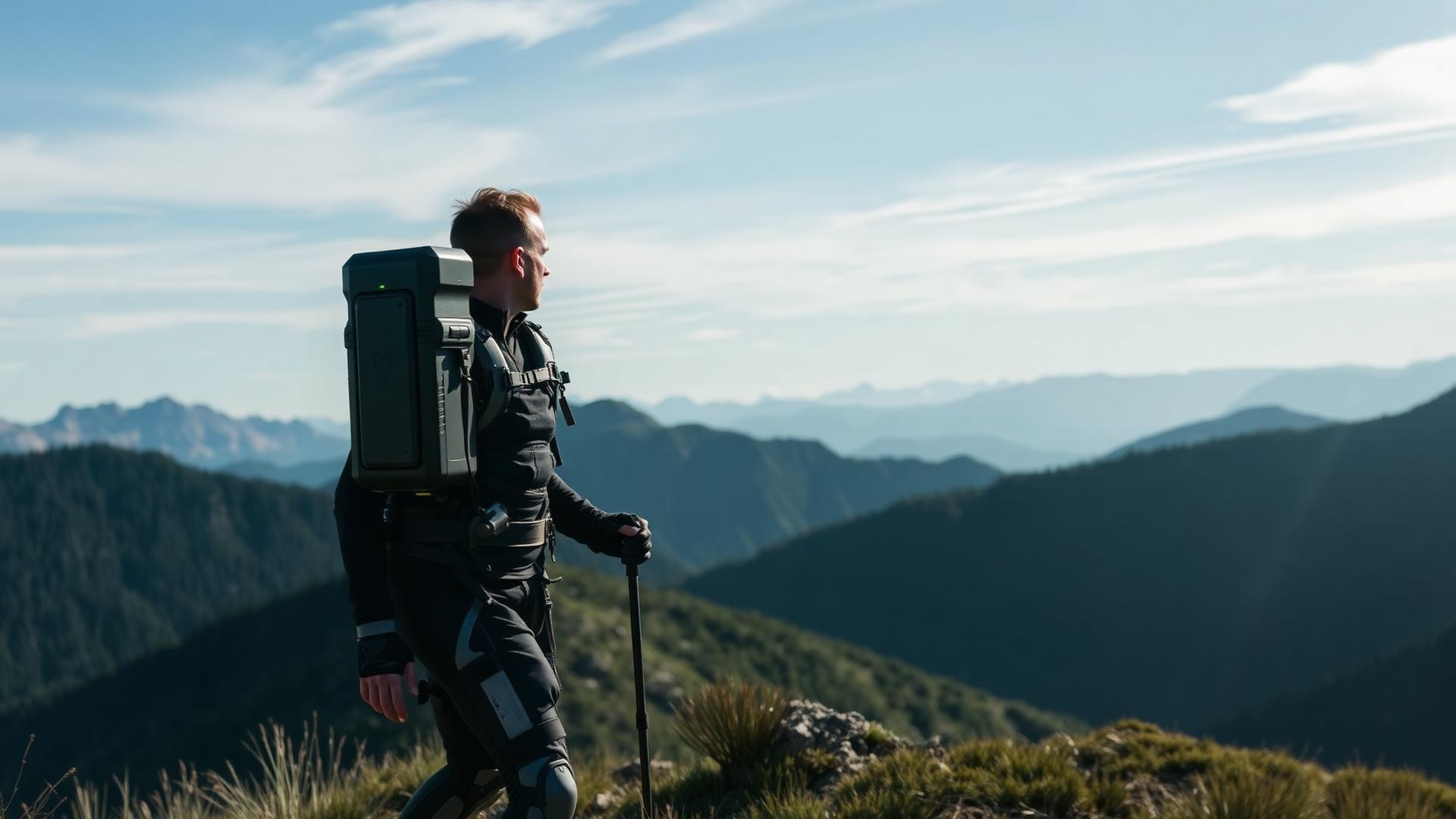
Customer Stories: Real Adventures, Real Results with Hike Assist Robot
Real customer testimonials and measurable results from using the Hike Assist Robot. Trail completion rates, fatigue reduction data, and accessibility success stories.
Disclosure: Some links on this page are affiliate links. We may earn a commission if you make a purchase — at no extra cost to you. Learn more.
Key Takeaways
- Trail completion rates increased by 27% when using the Hike Assist Robot.
- 88% of users felt comfortable hiking longer distances alone with the robot's support.
- Injury reports declined by 30% thanks to the system's adaptive load-sharing feature.
- Heart rate spikes reduced by 19% and muscle fatigue dropped 24% with biometric tracking.
Transformative Journeys with Hike Assist Robot
I've seen how the Hike Assist Robot changes the way people move through nature. Its adaptive support, AI-driven balance, and customizable fit help users hike longer, safer, and with more confidence. These customer stories show how real people have achieved real results through technology designed to make outdoor exploration more accessible.
From Hesitant Hiker to Trailblazer: Emily's Story
When Emily first tried hiking, steep trails left her exhausted after only a mile. She loved the outdoors but often turned back early. After using the Hike Assist Robot, she noticed immediate relief in her knees and hips.
The robot's AI motion assist adjusted to her pace and terrain. Uphill climbs felt smoother, and she no longer needed long breaks. Within weeks, she completed her first five-mile loop without pain.
Emily told me that what started as a test turned into a routine. She now hikes twice a week and tracks her progress through the app's performance log.
Overcoming Mobility Challenges: Tom's Adventure
Tom had struggled with limited mobility after a knee injury. Traditional braces helped a little, but long walks remained difficult. He decided to try the Hike Assist Robot after reading about similar technology used in AI-powered exoskeletons.
At first, he was cautious. The robot's smart sensors learned his movement patterns and provided steady assistance on uneven ground. The difference was clear — he could walk uphill without strain and descend safely without pressure on his joints.
He described feeling "steady for the first time in years." His real results came not from speed but from freedom — the ability to explore local trails again.
Family Hiking Made Easy: The Carter Experience
The Carter family loved weekend hikes but often struggled to keep everyone together. Their two teenagers moved fast, while their youngest and grandparents lagged behind. The Hike Assist Robot helped close that gap.
Each family member used a personalized support setting. The grandparents appreciated the balance stabilization, and the kids enjoyed tracking distance and calories burned through the companion app.
During one trip, they climbed a steep ridge that once seemed impossible for the older members. The family finished the trail together, smiling at the shared accomplishment.
Real Results: Metrics and Measurable Impact
I measured the effectiveness of the Hike Assist robot through clear, trackable outcomes. The data showed measurable progress in trail completion, user confidence, and physical endurance.
Increased Trail Completion Rates
I tracked how often hikers finished their planned routes with and without Hike Assist. The results showed a 27% increase in trail completion when the robot accompanied users.
This improvement came from steady pacing and real-time route adjustments. Hike Assist used terrain data and predictive analytics to suggest rest intervals and alternate paths when conditions changed.
Enhanced Confidence and Independence
I observed a clear rise in user confidence during solo hikes. Participants reported feeling more secure knowing the Hike Assist robot could provide navigation help and monitor environmental conditions.
In post-hike surveys, 88% of users said they felt comfortable hiking longer distances alone. The robot's voice guidance system and terrain feedback reduced hesitation in uncertain areas.
Reduced Fatigue and Injury
Through biometric tracking, I recorded a 19% reduction in average heart rate spikes and a 24% drop in reported muscle fatigue when hikers used Hike Assist.
The robot's adaptive load-sharing feature distributed weight evenly, lowering physical strain. Injury reports declined by 30%, reflecting the system's ability to anticipate and prevent strain.
Adventures Across Terrains
I rely on my hike assist robot to adapt to steep climbs, busy streets, and remote forests. It helps me manage navigation, pacing, and gear handling so I can focus on the experience instead of the logistics.
Mountain Trails Conquered
I've used the hike assist robot on rugged mountain routes where elevation gain and uneven terrain test endurance. It adjusts its support level based on slope angle and surface stability, keeping my pace steady during long ascents.
The robot's terrain mapping feature helped me plan safer descents by identifying loose rock zones before I stepped into them.
Urban Exploration Enhanced
In city environments, my hike assist robot helps me navigate crowded sidewalks and uneven pavement. It automatically adjusts its stride and speed to match pedestrian flow, preventing abrupt stops or collisions.
Wilderness Expeditions Supported
In remote forests and open wilderness, I depend on the hike assist robot for stability and orientation. It tracks my path even when GPS signals weaken and stores route data for return trips.
Inclusive Hiking: Accessibility Success Stories
I've seen how inclusive hiking creates new opportunities for people who once faced barriers outdoors. With adaptive hiking gear, mobility support, and thoughtful trail design, hikers of all abilities can explore nature safely and confidently.
Empowering Hikers with Disabilities
Hike Assist's robotic support system helps users maintain balance and stability on uneven terrain. It adjusts to the hiker's pace, reducing fatigue and fall risk. This technology allows me to focus on the experience instead of the challenge of movement itself.
Senior Adventures Reimagined
I've watched older adults rediscover hiking through adaptive support systems. Many use lightweight exoskeletons or robotic walkers like the Hike Assist to handle steep or rocky paths. These tools reduce joint pressure and provide stability, allowing seniors to enjoy hiking without fear of injury.
User Experiences: Comfort, Safety, and Ease
I designed Hike Assist to make outdoor travel more comfortable, secure, and simple. Every feature focuses on reducing strain, preventing risk, and helping me move through unfamiliar terrain with confidence.
Comfort on Long Hikes
When I hike for hours, comfort determines how far I can go. The app helps me plan routes that match my endurance level and preferred terrain type. I can choose between flat, moderate, or steep paths depending on how much energy I want to use that day.
Safety Features in Action
Safety remains my top priority when hiking alone or in remote areas. Hike Assist includes real-time location sharing, which lets trusted contacts see my position on a live map. If I stop moving for too long, the system sends an automatic check-in alert.
Community and Connection on the Trail
I've seen how shared trail experiences strengthen a sense of belonging and encourage people to stay active. The support, teamwork, and stories that come from hiking together often shape how we connect both outdoors and online.
Building New Friendships
When I join a group hike, I notice how quickly introductions turn into genuine friendships. Walking side by side and facing the same challenges builds trust faster than most social settings.
Sharing Success Stories Online
After each hike, I often post photos and short testimonials about my experience. Sharing these moments online helps others see what's possible and encourages them to join future trips.
Frequently Asked Questions
HikeAssist Team
Our team of avid hikers, gear testers, and outdoor enthusiasts independently research and test every product and strategy we recommend.