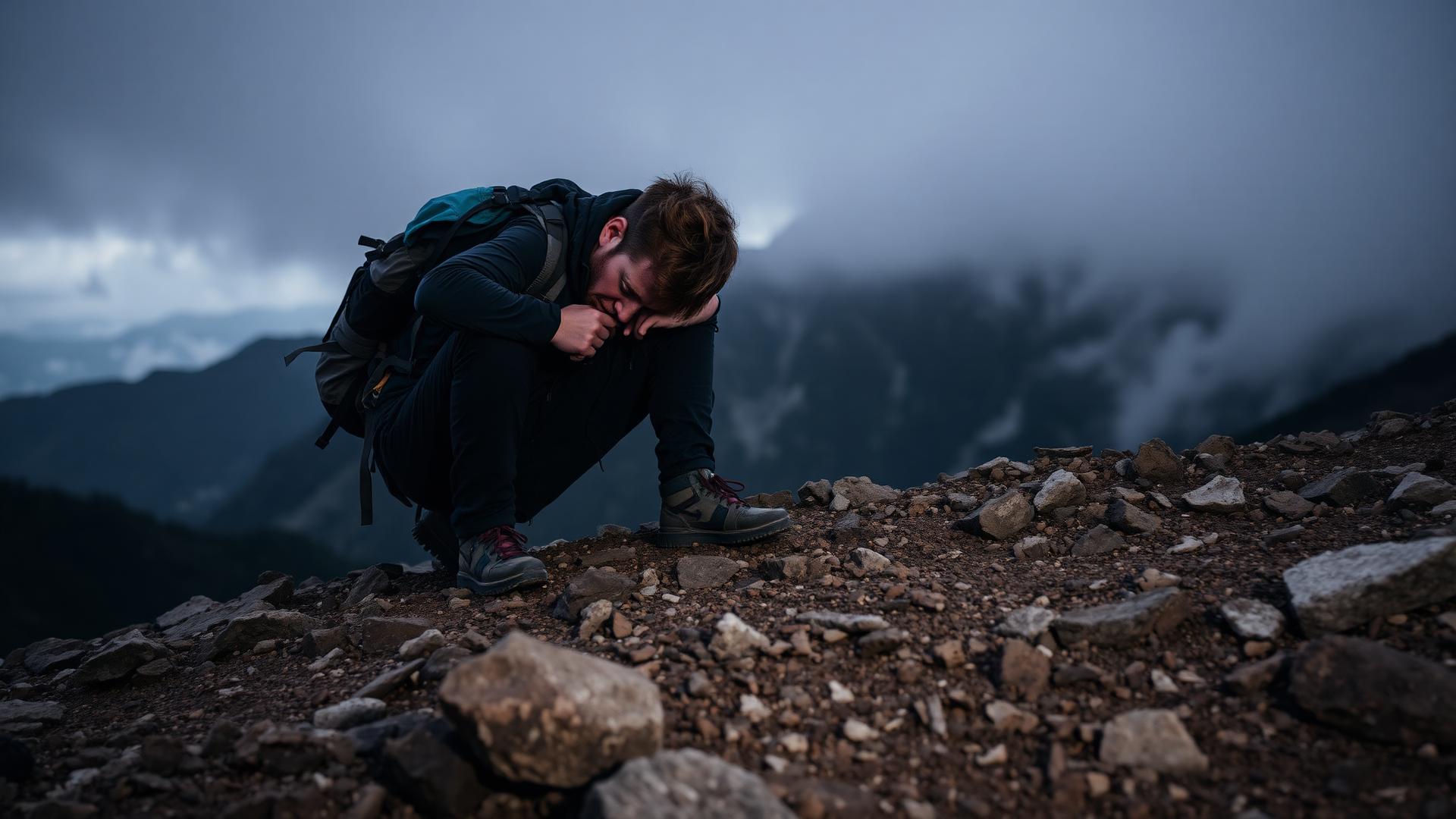
Post-Hike Muscle Recovery: 7 Tips to Stop Soreness
Learn how to speed up muscle recovery after a long hike. Best stretches, nutrition, and tech to stop leg fatigue.
Disclosure: Some links on this page are affiliate links. We may earn a commission if you make a purchase — at no extra cost to you. Learn more.
Key Takeaways
- Active recovery (light walking) speeds repair faster than complete rest.
- Protein intake within 30 minutes post-hike accelerates muscle rebuilding.
- Foam rolling reduces DOMS severity by up to 30%.
- Compression garments improve blood flow and reduce swelling overnight.
- Wearable assist devices reduce the muscle damage that needs recovering from.
You crushed a 15-mile day on the trail, but now your legs feel like they belong to someone else. Post-hike muscle soreness — technically called delayed onset muscle soreness (DOMS) — is your body's response to the micro-tears caused by sustained hiking effort.
The good news? Recovery isn't passive. With the right strategies, you can cut recovery time in half and get back on the trail sooner.
Why Recovery Matters for Hikers
Every step on the trail creates micro-damage in your muscle fibers, particularly during descents where eccentric contractions dominate. Without proper recovery, this damage accumulates, leading to chronic fatigue, increased injury risk, and diminished performance on subsequent hikes.
Active vs Passive Recovery
Complete rest feels intuitive, but light movement is actually more effective. A 20-minute walk the day after a hard hike increases blood flow to damaged muscles by up to 40%, delivering nutrients and removing waste products faster than sitting on the couch.
The 20-minute rule
The morning after a hard hike, take a gentle 20-minute walk. This single habit accelerates recovery more than any supplement.
Essential Post-Hike Stretches
Focus on the muscle groups that work hardest on the trail: quadriceps, hamstrings, hip flexors, calves, and glutes. Hold each stretch for 30-60 seconds while muscles are still warm from hiking.
- Standing quad stretch: Pull heel to glute, keep knees together
- Downward dog: Stretches calves, hamstrings, and shoulders simultaneously
- Pigeon pose: Deep hip flexor and glute release
- Calf drops: Stand on a step edge and let heels drop below the platform
Recovery Nutrition
Your muscles need building blocks to repair. Aim for a 3:1 carb-to-protein ratio within 30 minutes of finishing your hike. Chocolate milk, surprisingly, hits this ratio perfectly and is used by many endurance athletes.
Cold Therapy and Compression
Cold water immersion (even a cold shower targeting your legs) reduces inflammation and can decrease DOMS severity by 20-30%. Follow with compression socks or sleeves overnight to maintain blood flow while you sleep.
Sleep and Recovery
Growth hormone — your body's primary repair mechanism — is released during deep sleep. Aim for 8+ hours after a hard day on the trail. Poor sleep can extend recovery time by 50% or more.
Technology-Assisted Recovery
The best recovery strategy is reducing the damage in the first place. Wearable assist devices like the HyperShell reduce muscular effort by 20-30% per stride, meaning your muscles sustain less micro-damage and require less recovery time.
Reduce the Fatigue That Needs Recovering From
The HyperShell exoskeleton reduces muscular effort by 20-30%, meaning less damage and faster recovery.
See If HyperShell Is Worth ItFrequently Asked Questions
HikeAssist Team
Our team of avid hikers, gear testers, and outdoor enthusiasts independently research and test every product and strategy we recommend.