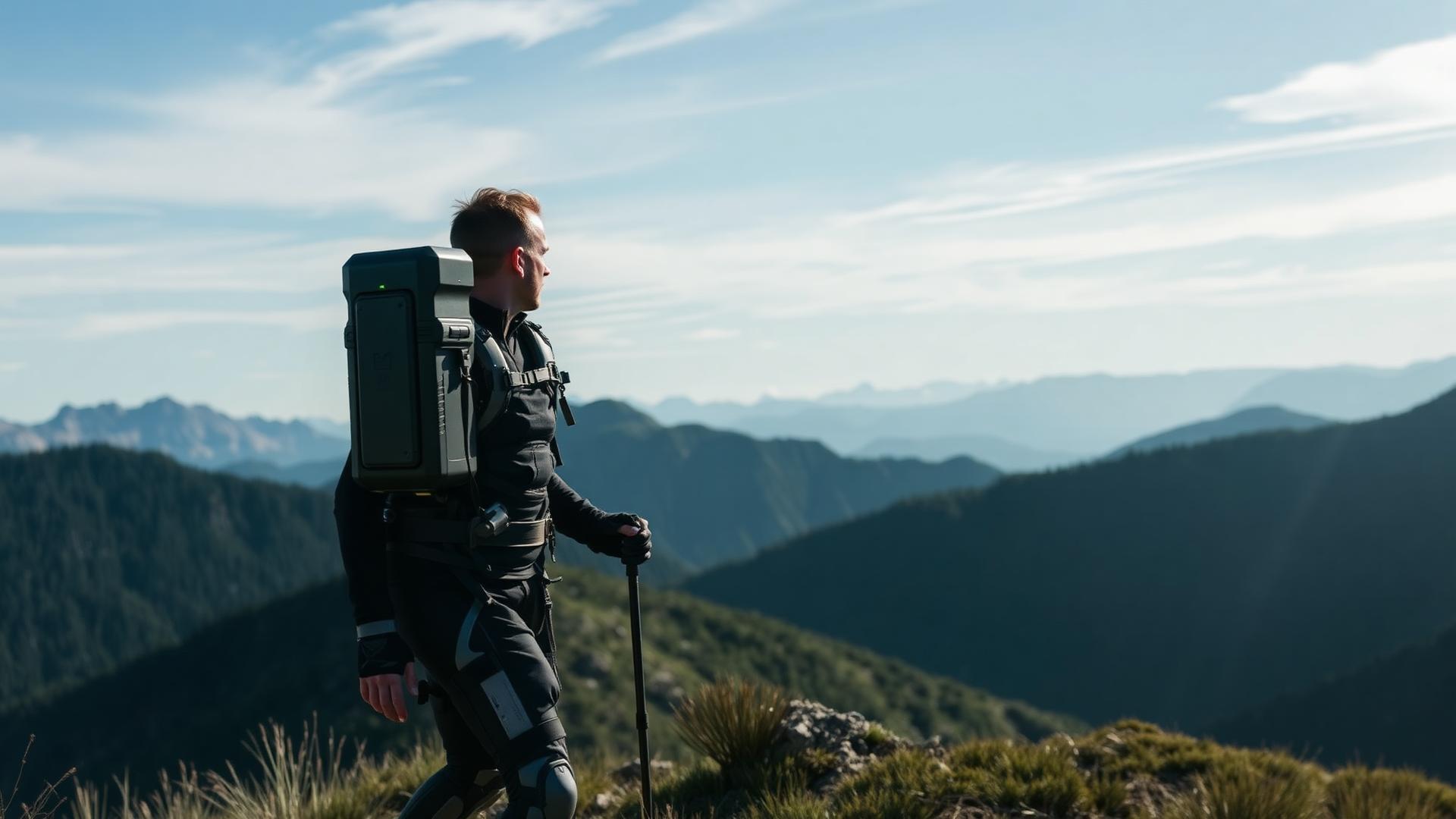
HyperShell vs Knee Brace: High-Tech vs Traditional Support
Two fundamentally different philosophies of knee protection — passive bracing vs. powered muscle assistance. We tested both approaches head-to-head.
Disclosure: Some links on this page are affiliate links. We may earn a commission if you make a purchase — at no extra cost to you. Learn more.
Our Verdict
For acute knee instability or ligament issues, a traditional knee brace provides targeted support the HyperShell can't replicate. For fatigue-related knee pain (the most common type in hiking), the HyperShell addresses the root cause more effectively by reducing the muscular forces that stress your joints. Many hikers benefit from using both.
Who This Is For
- Hikers experiencing knee pain on descents or long hikes
- Anyone comparing high-tech vs. traditional knee support approaches
- Hikers with both fatigue and instability concerns
Who This Is Not For
- Hikers with no knee issues
- Those seeking only compression or warmth (a sleeve is sufficient)
Key Benefits
- HyperShell: Addresses root cause of fatigue-related knee pain
- Knee brace: Direct structural support for unstable joints
- Both reduce knee stress — through completely different mechanisms
Honest Drawbacks
- HyperShell can't replace a brace for ligament instability
- Braces don't reduce the muscular fatigue that causes most hiking knee pain
Head-to-Head Comparison
| Feature | HyperShell | Hinged Knee Brace |
|---|---|---|
| Approach | Powered muscle assistance | Passive joint stabilization |
| Support Location | Hip joints (reduces leg load) | Knee joint directly |
| Active Motor Assist | ✓ Yes | ✗ No |
| Downhill Braking | ✓ Powered braking mode | ✗ Passive only |
| Reduces Muscle Fatigue | ✓ 20–30% reduction | ✗ Minimal |
| Joint Stability | Indirect (via load reduction) | ✓ Direct structural support |
| Weight | 2.8 kg | 200–400g |
| Battery Required | Yes (3–5 hrs) | No |
| Price | From $899 | $40–$150 |
Understanding Hiking Knee Pain
Most hiking knee pain falls into two categories, each requiring a different solution:
Fatigue-Related Pain (Most Common)
When your quadriceps fatigue on a long descent, they can no longer effectively control your knee movement. The joint absorbs forces your muscles should be handling. This manifests as anterior knee pain (under or around the kneecap) that worsens with distance.
Best solution for fatigue-related pain
The HyperShell addresses this at the source — reducing the quad effort that leads to fatigue in the first place. By keeping your muscles fresher for longer, the downstream knee stress never builds up.
Instability-Related Pain
If your knee gives way, feels loose, or has diagnosed ligament damage (ACL, MCL), you need direct structural support. A hinged brace limits dangerous lateral movement while allowing flexion/extension.
When to see a professional
If your knee swells, locks, gives way, or has sharp pain: see a physiotherapist or orthopedic specialist before relying on any gear. Braces and exoskeletons are tools, not treatments for underlying injury.
The Combined Approach
For hikers with both fatigue and mild instability concerns, a lightweight compression sleeve under the HyperShell offers the best of both worlds: the sleeve provides proprioceptive feedback and warmth, while the exoskeleton reduces the muscular load that stresses the joint.
Free shipping + 30-day returns
Frequently Asked Questions
Continue Reading
HikeAssist Team
Our team independently researches and tests every product we recommend. We only suggest gear we'd take on our own hikes.
Stay Trail-Ready
Get weekly tips on reducing fatigue, the latest gear reviews, and hiking science — straight to your inbox.