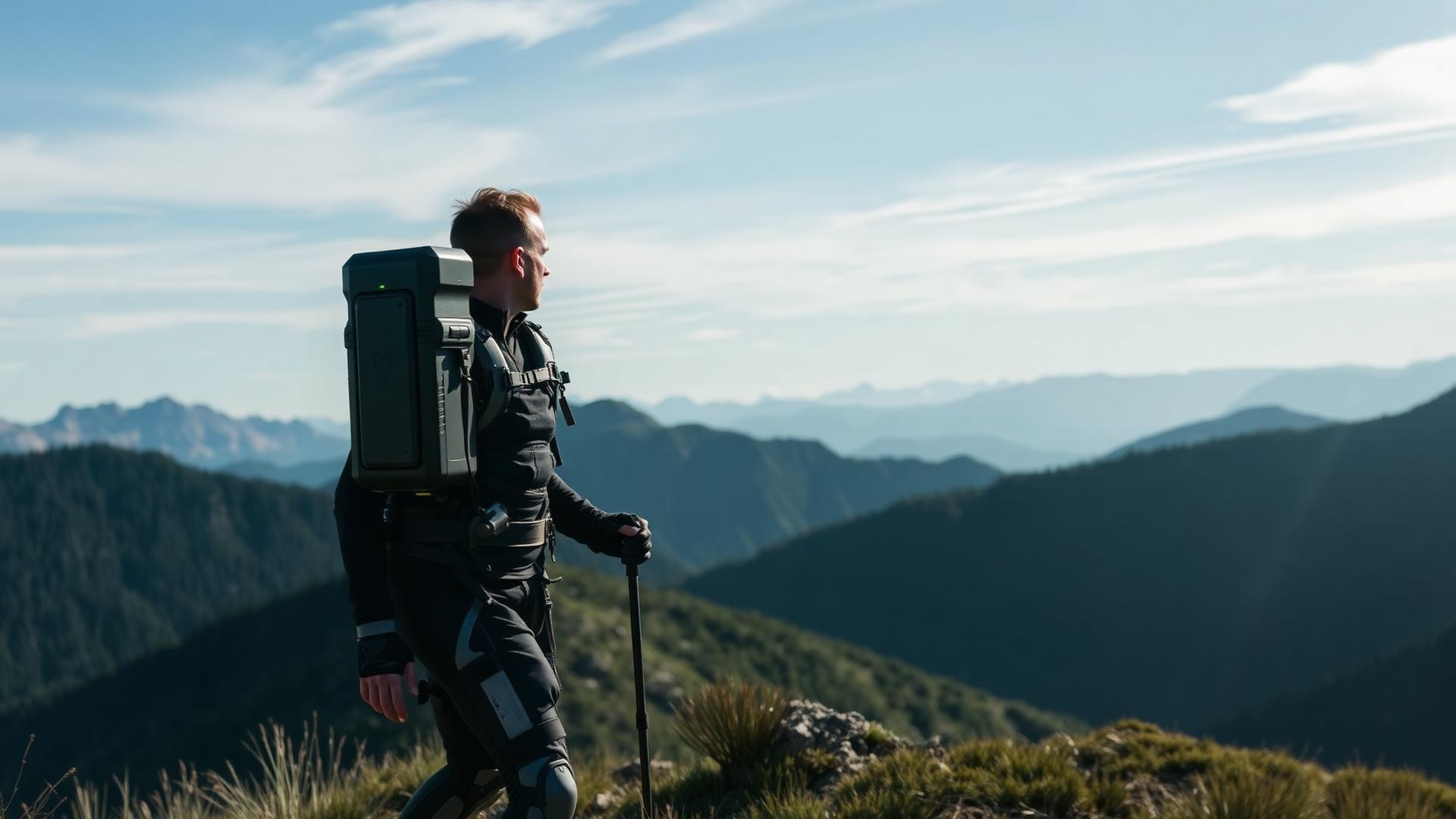
How We Design Hike Assist for Safety, Comfort, and Reliability
Deep dive into the design principles behind Hike Assist technology — from obstacle detection and emergency response to ergonomic comfort and terrain adaptation.
Key Takeaways
- Multi-sensor obstacle detection uses ultrasonic and infrared sensors to warn hikers of hazards ahead.
- Emergency beacon sends GPS coordinates via satellite when cell service is unavailable.
- Terrain adaptation technology adjusts damping and torque based on real-time surface analysis.
- Regenerative braking on downhill sections feeds energy back to the battery for extended range.
Core Principles of Hike Assist Design
When we talk about Hike Assist or any hiking support system, we're really talking about how people interact with trails and technology, and how these tools can genuinely make a difference. Our design choices are rooted in trail planning standards and, more importantly, real feedback from hikers who want something that actually works in the wild.
User-Centered Approach
We build Hike Assist around what hikers actually need, not just what sounds fancy on paper. Understanding how people move, rest, and react to unpredictable terrain lets us create an interface and alerts that just feel natural.
Accessibility is a big deal for us. We go for clear visuals and simple controls, so you don't end up fiddling with settings when you'd rather be enjoying the view. Field testing is non-negotiable. We gather feedback from a wide range of hikers, tweaking things like comfort and clarity until it feels right.
Balancing Safety and Comfort
Safety and comfort aren't really separate — they work together. Using terrain data and weather inputs, our system lets you know about steep grades, sketchy footing, or storms before they surprise you.
Physical comfort matters, too. Lightweight parts, ergonomic straps, and materials that breathe help reduce fatigue. The interface is readable whether you're squinting in sunlight or hiking before dawn.
Reliability as a Foundational Value
Hike Assist has to work in heat, cold, and rain — there's no room for excuses. We stress-test every component. If it doesn't hold up, it doesn't make the cut.
Redundancy is built in. If one power or communication system fails, another kicks in. That way, you're never left stranded, even far from the trailhead.
Safety Features and Hazard Prevention
Hike Assist is designed to help you stay aware and respond quickly to changing trail conditions.
Integrated Obstacle Detection
Multi-sensor detection is at the heart of our system. It spots uneven ground, loose rocks, and sudden drops using ultrasonic and infrared sensors, then nudges you with a vibration or a quick audio cue.
Helmet-mounted modules improve detection by blending head movement data with spatial mapping. Machine learning models, trained on tons of trail data, keep getting better at spotting obstacles.
Emergency Response Systems
There's an emergency beacon that sends GPS coordinates via satellite if cell service drops out. Hit the SOS button or let the sensors trigger it automatically after a hard fall. Accelerometers and heart rate monitors confirm what happened before pinging for help.
We've got backup communication channels — Bluetooth, cellular, satellite — so messages get through. Activation is dead simple, because in a real emergency, no one wants to fumble with menus.
Real-Time Hazard Alerts
Hike Assist connects to a shared network that collects live trail data from fellow hikers and park sources. If there's a weather warning, wildlife alert, or closure, you'll know right away.
We use color-coded warnings — green, yellow, red — so you don't have to overthink what's going on. Crowd-sourced updates help cover those out-of-the-way spots where official info can't keep up.
Navigation and Environmental Awareness
Hike Assist is built to help you stay oriented and make smart decisions, even when the trail gets confusing.
Advanced Mapping Integration
We use GPS mapping plus topographic data for accurate trail views. You'll see elevation, waypoints, and current conditions, all layered for easy planning. Maps update with crowd-sourced and park data, so you're always on legal, safe routes.
Compass and Directional Guidance
We use digital compass readings with magnetic calibration, so you get accurate bearings even if your device tilts. You can switch between true and magnetic north to match paper maps. Directional cues show up as visuals or vibrations, so you don't have to stare at a screen.
Offline Navigation Capabilities
Cell service is spotty in the wild. Hike Assist lets you download maps, store routes, and use compass data offline. We keep map files small but detailed. If something goes wrong, the app logs your last coordinates and route history.
Enhancing Comfort for Extended Use
We put a lot of thought into reducing pressure points, boosting airflow, and making sure Hike Assist feels good even after hours on the trail.
Ergonomic Design Elements
Every piece of Hike Assist is shaped to match how your foot naturally moves. We use lightweight, flexible materials that move with you. Contoured insoles for even weight distribution, cushioned ankle collars for stability, and reinforced toe and heel zones for protection.
Adaptive Fit and Support
Hike Assist adapts to different foot shapes, with adjustable lacing and insoles. Dual-density foam layers respond to pressure and movement, and the upper stretches a bit to handle swelling on long hikes.
Minimizing User Fatigue
We keep weight down with advanced composites that are strong but light. Impact-reducing midsoles absorb shock and take pressure off your joints. Even the little things — smooth seams, a tongue that doesn't dig in — help prevent irritation.
Stability and Performance Optimization
Staying balanced and in control on unpredictable trails is a must. We use precise motion control and adaptive systems that react in real time.
Dynamic Stability Control
Our advanced stability control uses sensors to track your every move and adapt almost instantly. It reacts to changes in slope or load within milliseconds, helping you avoid slips and keeping fatigue at bay.
Terrain Adaptation Technologies
Our adaptation tech uses a blend of sensors and control logic to tell the difference between rock, gravel, mud, or a steep incline — then tweaks support to match. Increased damping for uneven ground, torque redistribution for soft surfaces, and forward assist boost for steep slopes.
Electric Motor Integration and Power Management
Precise electric motor control and smart energy management are at the core of Hike Assist.
Efficient Electric Motor Design
We use compact brushless motors that deliver steady torque without wasting energy. Sensors read your input and adjust the assist in real time. Thermal management through lightweight aluminum housings and built-in cooling paths helps keep temperatures stable.
Battery Life and Charging Solutions
Smart control units balance how much energy the motor and battery use. Regenerative braking kicks in on the downhill, feeding energy back to the battery and stretching your range. Adaptive charging algorithms adjust current flow based on battery health.
Reliability Testing and Maintenance Support
No one wants their Hike Assist system to let them down mid-trail. That's why we put every unit through tough, real-world testing.
Durability Assessments
We run reliability and maintainability (R&M) tests to make sure the system holds up over time — thermal cycling (48–72 hours), vibration testing (24 hours), and endurance runs (500+ hours). Reliability growth curves help us see where improvements are needed.
Routine Maintenance Protocols
Every unit comes with a scheduled inspection plan that lays out when to service and what parts might need swapping. Our technicians rely on detailed checklists, checking battery health, sensor calibration, and making sure all mechanical fasteners are tight.
We track everything through a Failure Reporting, Analysis, and Corrective Action System (FRACAS) that logs field data and recurring issues. When we spot trends, manuals and component designs get updated accordingly.
Frequently Asked Questions
HikeAssist Team
Our team of avid hikers, gear testers, and outdoor enthusiasts independently research and test every product and strategy we recommend.