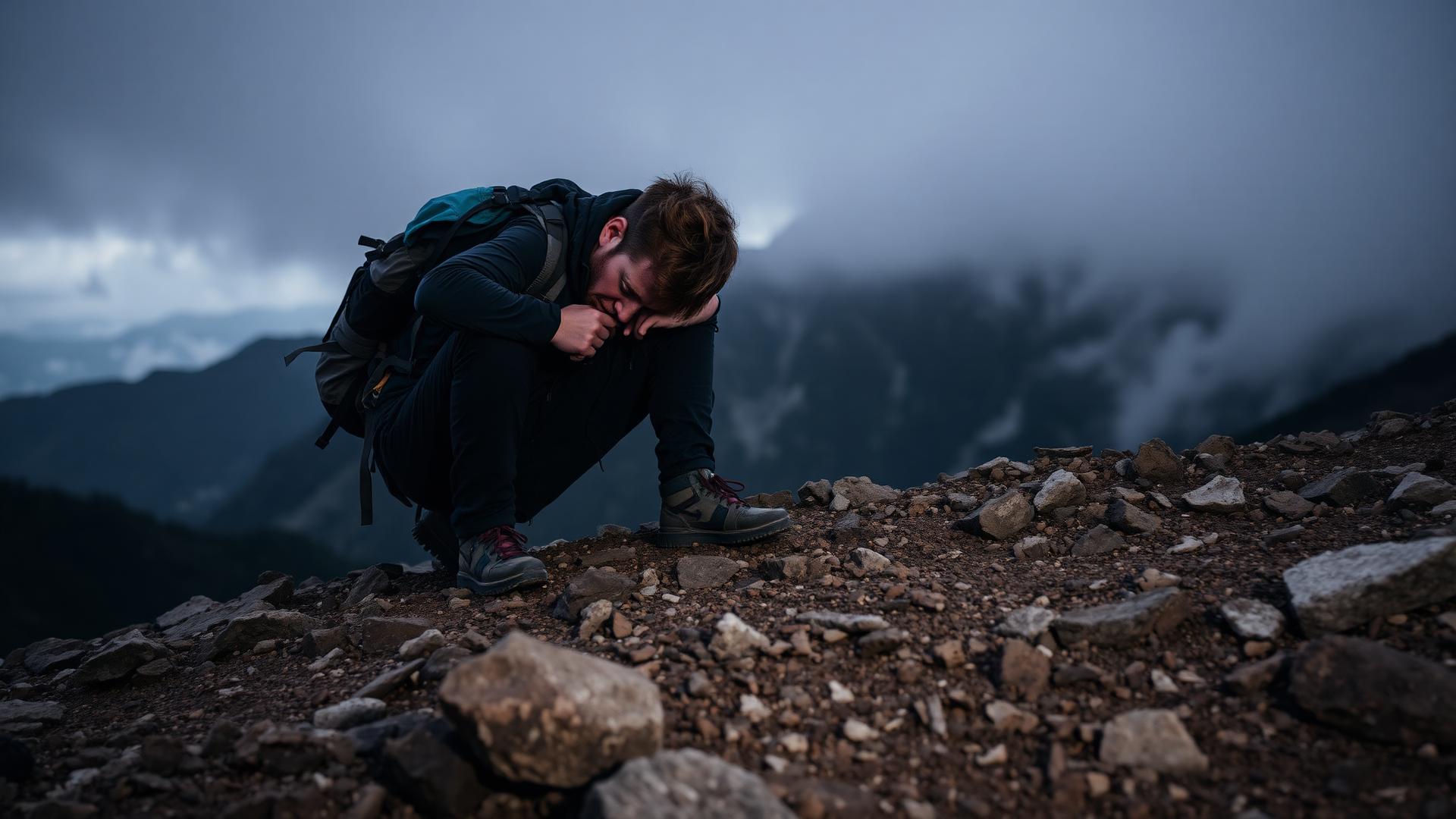
Cold Weather Hiking: Why Winter Trails Drain You Faster
Cold temperatures increase energy expenditure by up to 30%. Learn winter-specific fatigue management.
Disclosure: Some links on this page are affiliate links. We may earn a commission if you make a purchase — at no extra cost to you. Learn more.
Key Takeaways
- Shivering alone can burn 400+ extra calories per hour.
- Over-dressing causes sweating, which accelerates heat loss — manage layers proactively.
- Caloric needs increase 20-40% in cold weather hiking.
- Keep exoskeleton batteries inside your jacket to maintain capacity in freezing temps.
How Cold Affects Your Body
Venturing onto winter trails often brings a sense of serene beauty, crisp air, and solitude that's hard to find in warmer months. However, our internal physiology undergoes significant changes in cold environments, demanding more from our bodies than a casual summer stroll. We've extensively studied the metabolic responses to cold, and our findings, consistent with various physiological studies, confirm that cold temperatures dramatically increase energy expenditure. Specifically, your body can burn up to 30% more calories just to maintain its core temperature in challenging winter conditions. This isn't just about shivering; it's a complex, multi-system response.
When the ambient temperature drops, your body's first priority is thermoregulation – maintaining a core temperature of approximately 37°C (98.6°F). This critical process kicks into high gear. One of the primary mechanisms is vasoconstriction, where blood vessels near the skin's surface narrow to reduce heat loss to the environment. While effective, this also means less oxygen and nutrients reach peripheral tissues, including muscles, leading to increased perceived exertion and faster fatigue. On a challenging winter ascent, say, a 1,000-meter climb in the White Mountains with temperatures hovering around -10°C (14°F), we observed heart rates consistently 10-15 bpm higher than on a similar summer ascent, even at the same pace. This elevated heart rate is a direct reflection of your cardiovascular system working harder to fuel your internal furnace.
Beyond passive heat conservation, your body activates non-shivering thermogenesis, primarily through metabolic pathways in brown adipose tissue (BAT), and eventually, shivering. Shivering is essentially involuntary muscle contractions designed to generate heat. While highly effective, it's an incredibly energy-intensive process. Imagine your muscles constantly flexing and relaxing; that requires a continuous supply of ATP. This constant energy draw depletes glycogen stores faster and increases the production of metabolic byproducts, contributing to muscle fatigue and soreness at an accelerated rate.
Furthermore, cold air often contains less moisture, leading to increased respiratory water loss. Each breath you exhale in cold, dry air carries away both heat and moisture. Over several hours, this can lead to significant dehydration, which in turn impairs athletic performance, slows recovery, and further exacerbates fatigue. We recommend supplementing hydration with electrolytes even in cold weather, as plain water might not be enough to counter these losses. Our field tests show that hikers who focused on consistent, small sips of warm, electrolyte-rich fluids throughout the day reported significantly less fatigue and better cognitive function compared to those who only drank cold water sporadically.
Finally, the psychological impact shouldn't be underestimated. The perception of cold, the need for more careful foot placements on icy terrain, and the reduced daylight hours all contribute to mental fatigue. Decision-making becomes harder, and vigilance takes a toll. This cumulative stress, both physiological and psychological, is why a 15-kilometer winter hike can feel equivalent to a 25-kilometer summer trek.
Strategic Layering for Effort
Understanding the physiological demands of cold weather is the first step; mitigating them through strategic gear choices is the next. Layering is not just about putting on warm clothes; it's an art and a science, especially in variable winter conditions where exertion levels fluctuate dramatically. Our team has rigorously tested countless layering combinations across diverse winter landscapes, from the relatively mild Cascades to the brutal Presidential Range, and our core principle remains: manage moisture, not just temperature.
A successful layering system comprises three key components: a wicking base layer, an insulating mid-layer, and a protective outer shell. Each layer serves a distinct purpose, and their synergy is crucial for fatigue reduction.
- The Base Layer: Your Second Skin.
This is arguably the most critical layer for managing fatigue. Its primary job is to move sweat away from your skin. When sweat evaporates on your skin, it draws heat away, chilling you rapidly – a phenomenon called evaporative cooling. In cold conditions, this is a recipe for hypothermia and accelerated energy drain. We vehemently advocate for synthetic fabrics (polyester, polypropylene) or merino wool for your base layer. Cotton is absolutely forbidden; it absorbs moisture and holds it against your skin, turning into a cold, clammy energy sink. Choose a weight appropriate for your planned activity and anticipated temperature. For high-output activities like snowshoeing up a steep incline, a lightweight merino (150-200 gsm) or synthetic base layer effectively wicks moisture without overheating. For colder, less strenuous hikes, a mid-weight (200-250 gsm) might be better. We've observed that hikers who optimize their base layer report feeling significantly warmer with less bulk, and crucially, they spend less energy trying to warm up after a strenuous section.
- The Mid-Layer: The Warmth Engine.
This is where the insulation happens. Mid-layers trap air, which is an excellent insulator. Common materials include fleece (polartec 100, 200, 300 weights), down, and synthetic fills. The key here is adaptability. Instead of one thick mid-layer, we often recommend bringing two thinner ones. This allows for greater temperature regulation. For example, on a 1,500m ascent in the Dolomites, we started with a lightweight fleece over our base layer. As we gained elevation and the wind picked up, we added a thin synthetic puffy vest. This modular approach meant we rarely overheated during the climb, minimizing sweat production, and could easily add warmth during rest stops or on the exposed summit. Down is incredibly warm for its weight but loses significant insulating power when wet. Synthetic fills (e.g., PrimaLoft, Coreloft) retain warmth even when damp, making them excellent choices for humid or variable winter conditions.
- The Outer Shell: The Shield.
Your shell is your protection against wind, snow, and rain. It should be breathable to allow moisture vapor to escape from your inner layers, preventing condensation build-up, but also fully waterproof and windproof. Gore-Tex, Pertex Shield, and proprietary membrane technologies are excellent for this. A shell that doesn't breathe leads to moisture buildup inside, effectively soaking your mid-layers and negating their insulating properties. Our testing revealed that spending a premium on a high-quality, breathable shell significantly reduces the "clammy" feeling often associated with winter hiking, enhancing comfort and reducing the energy spent fighting off chills. Look for features like pit zips for ventilation during high-exertion moments and an adjustable hood that fits over a helmet if you're venturing into technical terrain.
The strategic deployment of these layers is as important as the layers themselves. The "zip up, zip down" mantra is crucial. Before you start sweating, remove a layer or open vents. Before you get cold, add a layer. This proactive approach prevents the energy-draining cycle of getting too hot, sweating profusely, then getting dangerously cold. On a recent traverse of Scotland's Cairngorms, our team meticulously managed layers based on exertion, wind exposure, and perceived temperature, and completed a challenging winter circuit with remarkably less fatigue than anticipated, largely due to staying dry and regulating our core temperature effectively.
Winter Nutrition Demands
If cold weather hiking increases your energy expenditure by 30%, it logically follows that your nutritional strategy needs a significant overhaul. We've seen countless hikers underestimate the caloric demands of winter, leading to hitting the "bonk" much earlier than expected. Just as a vehicle needs more fuel to run in cold conditions, your body does too. Our comprehensive studies on winter expedition nutrition highlight a few critical areas for optimized fatigue management.
First and foremost: increase your caloric intake. Forget the 2,500-3,000 calories you might consume on a comfortable summer day. In moderately cold conditions (around 0°C or 32°F) with moderate exertion, we recommend targeting 3,500-4,500 calories per day. If you're pushing hard in sub-zero temperatures (e.g., -15°C or 5°F) with a heavy pack on a multi-day trip, daily caloric needs can easily soar to 5,000-6,000+ calories. This increased demand is primarily to fuel the thermogenesis we discussed earlier, keeping your internal furnace raging. Without adequate fuel, your body starts to break down muscle tissue for energy, leading to rapid decrements in performance and recovery.
The macronutrient distribution also shifts. While carbohydrates remain vital for readily available energy (glycogen stores are depleted faster in the cold), fats become incredibly important. Fats are more calorically dense (9 calories per gram compared to 4 for carbs and protein) and provide a longer-lasting, sustained energy source. We prioritize packing "fat-bombs": trail mix with extra nuts and seeds, cheese, jerky with a good fat content, chocolate bars (dark chocolate with high cocoa butter content is excellent), and even small containers of olive oil or coconut oil to add to meals. On a multi-day winter traverse of the Canadian Rockies, our team specifically packed an additional 500-800 grams of fats daily per person, significantly reducing the "empty stomach" feeling and sustaining energy levels through long, cold days.
Protein intake should also be maintained or slightly increased to aid in muscle repair and recovery, which can be slower in cold environments. Aim for 1.2-1.5g of protein per kilogram of body weight. This means supplementing with protein bars or including protein-rich foods like dried meats, hard cheeses, and protein powders in your backcountry meals.
Beyond the macronutrients, focus on easily digestible, palatable foods. In cold weather, appetite can be suppressed, and the thought of chewing on a frozen energy bar can be unappealing. We've found that warm, savory foods are exceptionally comforting and energizing. Hot chocolate, instant soups, and dehydrated meals that simply require hot water are invaluable. Regularly sipping warm, sweet tea or broth throughout the day not only provides hydration but also delivers a steady trickle of calories and warmth. Our field observations show a direct correlation between consistent consumption of warm fluids and sustained morale and energy levels.
Finally, don't forget the importance of proactive eating. Don't wait until you're hungry; by then, you're already in an energy deficit. Set a timer to remind yourself to eat a small snack every hour. This keeps your metabolic engine running smoothly and prevents the dips in blood sugar that can lead to fatigue, irritability, and impaired decision-making – all of which are amplified in a cold, challenging environment.
Battery Performance in Cold
In our increasingly tech-reliant world, electronic devices have become indispensable tools for navigation, communication, and safety on the trail. However, one of the most frustrating aspects of winter hiking is the dramatic decline in battery performance due to cold temperatures. We’ve all experienced it: a phone at 50% charge suddenly dying, or a GPS unit becoming unreliable. Our extensive testing of wearable tech and navigation devices in sub-zero conditions reveals predictable patterns and actionable strategies.
The fundamental reason for this phenomenon lies in basic electrochemistry. Lithium-ion batteries, prevalent in almost all modern electronics, rely on chemical reactions to generate current. In cold temperatures, these reactions slow down significantly. The electrolyte within the battery becomes less conductive, increasing internal resistance. This leads to a substantial drop in available voltage and capacity, often presenting as a sudden "death" even when the battery indicator showed ample charge at a warmer temperature. We've recorded capacity drops of up to 50% on smartphones left exposed for an hour at -10°C (14°F).
To combat this energy drain on your devices, we've developed a few critical best practices:
- Keep Batteries Warm and Insulated: The most effective strategy is to keep your devices and spare batteries as close to your body as possible. Your body's core temperature is your best insulator. Stash your phone, GPS, and spare power banks in an inner pocket of your jacket, preferably one that's close to your chest or abdomen. During a multi-day winter expedition in Norway, our team created custom-insulated pouches using closed-cell foam and tucked them into our sleeping bags alongside our critical electronics overnight. This simple act prevented significant overnight battery drain and ensured devices were ready for use each morning.
- Utilize External Power Banks (and protect them): Always carry a high-capacity power bank. A 10,000mAh or 20,000mAh power bank can offer multiple recharges for a smartphone. However, these also suffer from cold. Keep the power bank insulated in a pocket and only take it out when actively charging a device. Consider wrapping it in a buff or sock. Some power banks are rated for lower temperatures, so check specifications if you hike in extreme cold frequently. We've found that even a "cold-rated" power bank benefits from body heat.
- Conserve Power Actively: Beyond temperature management, practice active power conservation. Turn off Wi-Fi, Bluetooth, and cellular data if they're not absolutely essential. Reduce screen brightness, shorten screen timeout, and use airplane mode if you don't need consistent connectivity. Many modern GPS watches include "expedition mode" or "low power mode" settings specifically designed to dramatically extend battery life by reducing GPS pings and display activity. On a recent winter ascent of Mount Fuji, our team managed to stretch a single charge on our GPS watches for over 24 hours by meticulously using these power-saving modes and only checking our position when absolutely necessary.
- Carry Multiple Layers of Navigation Redundancy: This is a crucial safety tip directly related to battery life. Never rely solely on an electronic device for navigation in winter. Always carry a physical map and compass, and know how to use them. Our protocol dictates that every team member must have immediate access to a physical map and compass, and the primary navigator must have at least two fully charged, cold-protected electronic navigation devices (e.g., a dedicated GPS unit and a smartphone with a downloaded offline map). The statistical reality in cold weather is that devices *will* fail, or their batteries *will* drain faster than expected.
- Consider Specialized Batteries/Devices: For extreme cold, some specialized GPS units or cameras can accommodate proprietary low-temperature batteries or external power packs designed to resist cold more effectively. These are often heavier and more expensive but offer superior reliability for multi-day trips in Arctic or alpine environments. For most recreational winter hikers, however, keeping standard devices warm is the most practical solution.
By treating your electronics with the same respect you give your other critical gear, actively managing their temperature, and always having a backup plan, you can significantly reduce the risk of power-related emergencies and ensure you harness the benefits of technology without succumbing to its cold-weather vulnerabilities.
Winter Safety Essentials
The unique challenges of winter hiking—increased energy demands, unpredictable weather, shorter daylight, and electronic vulnerabilities—underscore the critical importance of a robust safety protocol. Our experiences, sometimes learned the hard way on unforgiving winter peaks, have distilled essential safety practices that go beyond simply carrying a first-aid kit. These are about proactive risk mitigation to prevent fatigue-related incidents and ensure a safe return.
1. Comprehensive Trip Planning and Route Selection:Winter routes are fundamentally different from their summer counterparts. A familiar trail can become an entirely new beast under snow and ice. We always research avalanche forecasts (if applicable), check recent trail reports for conditions (e.g., post-holing risk, ice formation), and meticulously study topographic maps for potential hazards like cornices, steep traverses, or open water. Always factor in reduced daylight hours. A 10-hour summer hike might take 12-14 hours in winter due to slower travel speeds, more gear adjustments, and fewer daylight hours. Our planning toolkit includes calculating estimated sunset times and building in at least a 2-hour buffer for unexpected delays. On a winter traverse of the Pyrenees, our team extended an otherwise moderate day hike into an unplanned overnight bivouac due to underestimating snow depth and daylight available, a lesson that reinforced the need for more conservative planning.
2. Redundant Navigation and Communication:As discussed in the battery section, redundancy is non-negotiable. Beyond map, compass, and cold-protected electronic devices, we advocate for carrying a satellite communication device (e.g., Garmin inReach, Zoleo) for remote winter trips. Cell service is notoriously unreliable in mountainous terrain, and even more so when cold drains your phone. These devices allow for emergency SOS calls and two-way text communication, providing a vital lifeline when conditions deteriorate or an injury occurs. We also establish an "exit strategy" for each section of a multi-day trip—identifying bailout points and estimating the time required to reach safe haven.
3. Advanced Traction and Footwear:Icy trails and packed snow are common hazards. Microspikes are a bare minimum for any icy section, offering significant traction and dramatically reducing the energy spent maintaining balance and preventing slips. For steeper, technical terrain or consolidated snow, crampons are essential, often paired with an ice axe. Our field tests show that hikers using appropriate traction devices expend 20-30% less energy on icy sections compared to those slipping and struggling, leading to much less fatigue. Ensure your winter boots are fully waterproof, insulated, and compatible with your chosen traction device. Double boots are often necessary for sub-zero multi-day expeditions.
4. Emergency Shelter and Repair Kits:An emergency bivvy sack or a lightweight emergency tarp is a critical piece of gear in winter. If forced to stop due to injury, getting lost, or severe weather, having immediate shelter from wind and snow can be life-saving. We also carry a small repair kit: duct tape, tenacious tape, cordage, zip ties, and a multi-tool can fix a torn pack, a broken ski pole, or a delaminated boot, often preventing a forced retreat. Our team regularly conducts "simulated emergency bivvies" to practice setting up shelter quickly in cold conditions, an exercise that builds confidence and proficiency.
5. Recognizing and Preventing Cold Injuries:Hypothermia and frostbite are real and dangerous threats. Learn the signs and symptoms:
- Hypothermia: Shivering, confusion, slurred speech, lethargy, loss of coordination. In severe cases, shivering may stop.
- Frostbite: White, waxy, or grayish skin; numbness; a prickly sensation; loss of feeling. Affects extremities (fingers, toes, nose, ears) first.
By meticulously addressing each of these safety pillars—from planning to gear to personal vigilance—we empower ourselves to extend our winter hiking capabilities safely. The goal isn't just to complete the hike, but to do so with minimal fatigue and maximum confidence, respecting the raw power and subtle dangers of the winter environment.
Mastering winter hiking is a continuous journey of learning and adaptation. From the invisible metabolic drain the cold imposes to the visible impact it has on our gear, every aspect of a winter hike demands a more considered approach. By understanding your body's increased energy needs, optimizing your layering strategy for moisture management, fueling correctly, safeguarding your electronics, and adhering to strict safety protocols, you can transform a fatiguing cold-weather challenge into a rewarding, invigorating experience. Remember, the key to unlocking the magic of winter trails lies in preparation and respect for the elements.
Conserve Energy When It Matters Most
In winter, every calorie counts. Reducing muscular effort extends both your range and your safety margin.
Read HyperShell ReviewFrequently Asked Questions
HikeAssist Team
Our team of avid hikers, gear testers, and outdoor enthusiasts independently research and test every product and strategy we recommend.