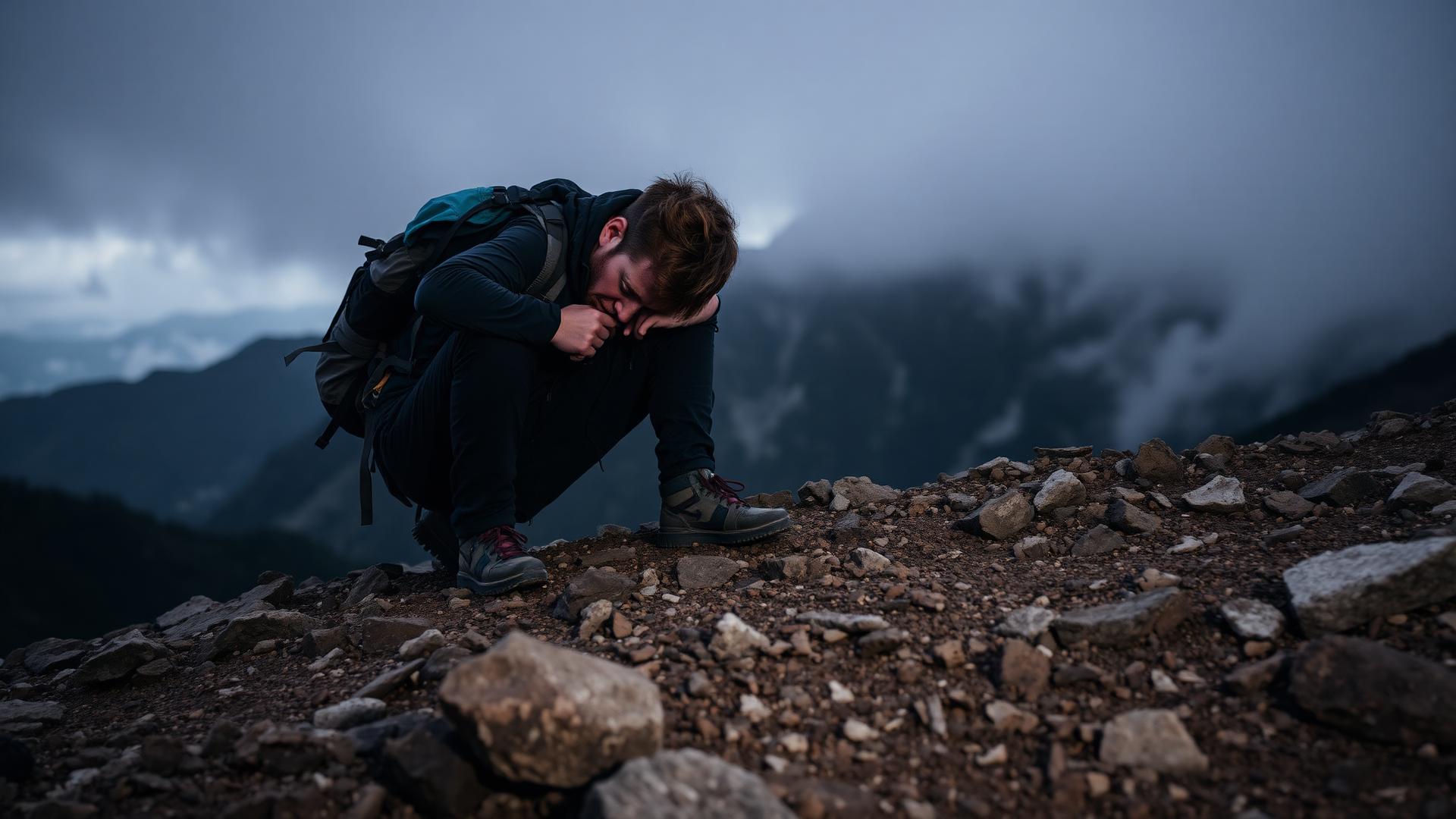
Hiking Fatigue & Hydration: Why Water Isn't Enough
Discover the link between dehydration and hiking fatigue. Learn the best electrolyte ratios for long-distance treks.
Disclosure: Some links on this page are affiliate links. We may earn a commission if you make a purchase — at no extra cost to you. Learn more.
Key Takeaways
- Just 2% dehydration reduces hiking performance by up to 25%.
- Plain water dilutes electrolytes — add sodium and potassium on long hikes.
- Drink 500ml per hour of moderate hiking, more in heat or at altitude.
- Muscle cramps are often an electrolyte issue, not a hydration issue.
- Pre-hydrating the night before is more effective than chugging at the trailhead.
You've packed three liters of water, you're drinking regularly, and yet by mile 8 your legs feel like concrete and your head is pounding. Sound familiar? The problem might not be how much you're drinking — it's what you're drinking.
How Dehydration Causes Fatigue
When you lose just 2% of your body weight in sweat, your blood volume drops, your heart has to work harder, and oxygen delivery to muscles decreases. The result? Your perceived effort skyrockets even though you haven't changed pace.
Why Water Alone Isn't Enough
Here's the counterintuitive truth: drinking too much plain water can actually make fatigue worse. When you sweat, you lose sodium, potassium, and magnesium. Replacing only the water dilutes the remaining electrolytes in your blood — a condition that causes fatigue, nausea, and confusion.
Hyponatremia risk
Drinking excessive plain water during long hikes can cause dangerously low sodium levels. Always add electrolytes on hikes over 2 hours, especially in heat.
The Electrolyte Balance
The key electrolytes for hiking performance are sodium (maintains fluid balance), potassium (prevents cramps), and magnesium (supports muscle function). Aim for 300-600mg sodium per hour of sustained effort.
How Much to Drink While Hiking
The old advice of "drink before you're thirsty" is actually good science. By the time you feel thirst, you're already 1-2% dehydrated. Set a timer to drink every 15-20 minutes rather than relying on thirst signals.
- Moderate effort, cool weather: 400-500ml per hour
- High effort or warm weather: 600-800ml per hour
- High altitude (above 2,500m): 750-1,000ml per hour
Best Electrolyte Sources for the Trail
Electrolyte tablets (like Nuun or LMNT) are convenient, but whole foods work too. Salted almonds, pretzels, bananas, and dried mango provide electrolytes plus the calories your muscles need for fuel.
Signs You're Dehydrated on the Trail
Watch for these early warning signs: dark urine, headache, unusual fatigue, dizziness, and muscle cramps. If you notice any of these, stop, hydrate with electrolytes, and rest in shade before continuing.
Fight Fatigue From Every Angle
Hydration helps — but reducing muscular effort helps more. See the best hiking assist devices.
Explore Hiking Assist DevicesFrequently Asked Questions
HikeAssist Team
Our team of avid hikers, gear testers, and outdoor enthusiasts independently research and test every product and strategy we recommend.