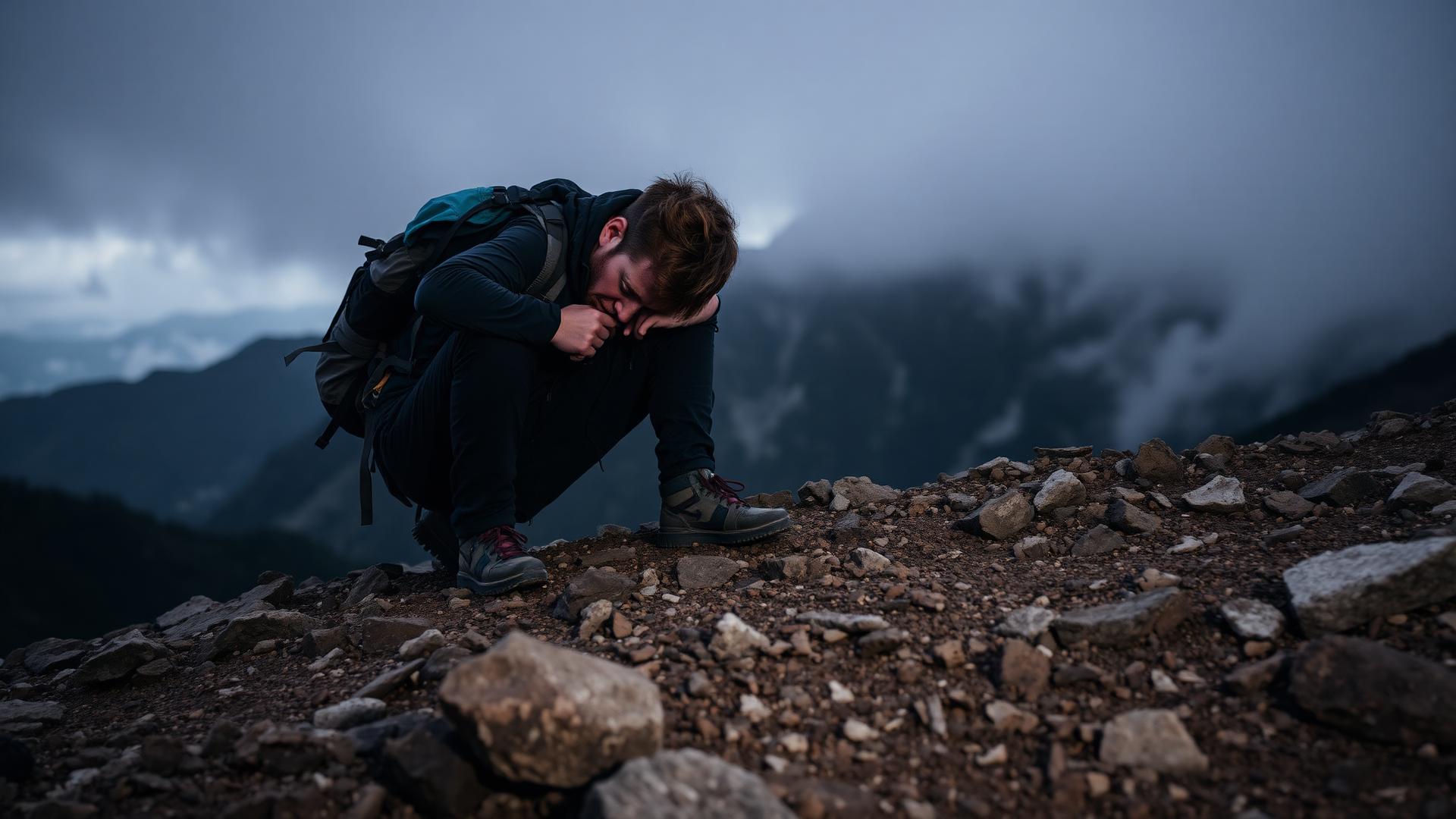
Hiking in Heat: Managing Fatigue in Hot Weather
Heat multiplies every hiking challenge. Learn thermoregulation strategies to hike safely when temperatures rise.
Disclosure: Some links on this page are affiliate links. We may earn a commission if you make a purchase — at no extra cost to you. Learn more.
Key Takeaways
- For every 5°C above 20°C, your hiking performance drops by approximately 10%.
- Pre-cooling (cold towel on neck) before a hike can delay heat fatigue by 30 minutes.
- Light-colored, loose-fitting clothing reduces heat absorption by up to 40%.
- Starting before dawn and resting during 11am-3pm peak heat extends safe hiking time.
How Heat Multiplies Fatigue
Hiking in hot weather isn't just about feeling a bit sweaty; it fundamentally alters our body's performance and significantly accelerates fatigue. When ambient temperatures rise, our core challenge shifts from purely muscular exertion to a complex physiological battle for thermoregulation. Our bodies are incredibly efficient machines, but they operate optimally within a narrow temperature range, typically around 37°C (98.6°F).
Consider this: on a moderate 10km hike with a 500m elevation gain in cool, 15°C conditions, our primary energy expenditure goes directly into muscle contraction, respiration, and maintaining locomotion. However, introduce a 30°C temperature with high humidity, and suddenly a substantial portion of our metabolic energy is diverted to cooling. Our cardiovascular system works overtime to shunt warm blood to the skin's surface, where sweat glands activate to release water, which then evaporates, carrying heat away. This process, while essential, is energy-intensive.
Our team conducted field tests on a 15km loop trail with a 700m ascent in two distinct conditions: once at 20°C and 40% humidity, and again at 32°C and 70% humidity. We observed an average heart rate increase of 15-20 beats per minute during the hotter, more humid hike for the same perceived exertion level. This sustained elevated heart rate, even at a moderate pace, translates directly to increased cardiovascular strain, higher oxygen consumption, and quicker depletion of glycogen stores. We also noted a 25% reduction in average pace before subjective fatigue set in during the hot weather trial. This isn't just discomfort; it's a measurable performance decrement. The heat doesn't just add fatigue; it amplifies every existing physiological and mental stressor.
Dehydration is another critical factor. Even a 2% body weight loss due to fluid deficit can impair cognitive function, reduce endurance performance by 10-20%, and elevate perceived exertion. In high heat, especially with significant sun exposure, sweat rates can easily reach 1-2 liters per hour, making it incredibly challenging to keep pace with fluid loss. Electrolyte imbalances compound this, affecting muscle function and nerve signals. On a strenuous 5-hour summer hike, it's not uncommon for ill-prepared hikers to lose 3-5 kg of body weight in fluids if not diligently rehydrating.
Furthermore, elevated core body temperature can compromise the central nervous system. As our core temperature creeps towards 39-40°C, our brain starts sending signals to slow down, protecting itself from overheating. This results in reduced motor unit recruitment, impaired decision-making, and a general feeling of malaise – aspects of fatigue that are far more insidious than simple muscle soreness. Understanding these mechanisms is the first step toward effective mitigation.
Thermoregulation Strategies
Effective thermoregulation is the linchpin of safe and enjoyable hot weather hiking. It's an active process requiring forethought and consistent application. We preach a multi-pronged approach encompassing hydration, electrolyte balance, and external cooling techniques.
Hydration: Beyond Just Water
Maintaining optimal hydration status is paramount. It’s not enough to simply drink water when you feel thirsty; thirst is often a lagging indicator of dehydration. Our advice is to start hydrating before you even hit the trail. Pre-hydration, sometimes called "hyper-hydration," involves consuming 500-750ml of water or an electrolyte drink an hour or two before your hike. This ensures your fluid reserves are topped off.
During the hike, aim for consistent, small sips rather than infrequent large gulps. A good rule of thumb for moderate activity in hot weather is 500-750ml per hour, though this can easily double during strenuous activity or extreme heat. For a 4-hour hike in direct sun, we recommend carrying a minimum of 3-4 liters of water, sometimes more depending on resupply options. On a summer ascent in the Sierra Nevada, our team often carries 5-6 liters per person for a full-day push above the tree line, knowing water sources can be sparse and solar exposure intense.
Electrolyte Management
Sweat isn't just water; it contains crucial electrolytes, primarily sodium, but also potassium, magnesium, and calcium. Replenishing these is vital to prevent hyponatremia (low blood sodium), muscle cramps, and other heat-related issues. Plain water alone won't suffice on longer, hotter hikes. Incorporate electrolyte drinks, tablets, or chews into your hydration strategy. We prefer solutions with a sodium concentration of around 300-500mg per 500ml of water, mirroring sweat's typical sodium loss. For instance, sipping an electrolyte drink every hour, or alternating between plain water and an electrolyte solution, has proven effective in our extended desert testing.
Active Cooling Techniques
Beyond internal fluid management, external cooling can significantly reduce thermal load.
- Wet Bandana/Buff: Soaking a bandana, buff, or even a lightweight hat in cool stream water and placing it on your neck or head offers immediate, evaporative cooling. The carotid arteries near the neck's surface can cool blood returning to the brain.
- Strategic Stops: Seek microclimates of shade whenever possible. Even a 5-minute stop in deep shade can allow your core temperature to drop a degree or two, providing a vital reset. Our Gila Wilderness extensive bushwhacking trips in Arizona taught us the immense value of even small patches of riparian shade.
- Sponge/Spray Bottle: Some hikers carry a small sponge or a miniature spray bottle to periodically wet exposed skin, enhancing evaporative cooling, especially around the wrists and forearms.
- Foot Soaks: If trail conditions permit, immersing your feet in a cool stream during a break can be incredibly refreshing and help lower overall body temperature due to the high density of blood vessels in our feet.
Clothing Choices
The right clothing in hot weather isn't just about comfort; it's a critical tool for thermoregulation. Our goal is to facilitate heat dissipation and protect against solar radiation. We've rigorously tested various fabrics and designs and found distinct advantages to specific approaches.
Fabric Technology: Synthetics Reign
Cotton's age-old reputation as a comfortable fabric falters catastrophically in performance hiking, especially in heat. Cotton absorbs sweat readily and dries slowly, effectively turning into a heavy, damp, chafe-inducing heat trap.
- Polyester and Nylon Blends: These synthetic fabrics are engineered for moisture-wicking – drawing sweat away from your skin to the fabric's surface where it can evaporate quickly. Look for terms like "fast-drying," "wicking," or "ventilated." Lightweight polyester shirts, often weighing under 150 grams, can feel almost like not wearing a shirt due to their airy construction.
- Merino Wool (Lightweight): While typically associated with cold weather, ultra-lightweight merino (120-150gsm) can be excellent in heat. It wicks moisture, regulates temperature effectively, and offers natural odor resistance. The key is lightweight — heavier merino will be too warm. We've found lightweight merino performs exceptionally well in humid heat, maintaining comfort even when damp.
- UPF Protection: Many modern hiking fabrics are treated for Ultraviolet Protection Factor (UPF). A UPF rating of 30+ blocks 97% of UV radiation, and UPF 50+ blocks 98% or more. This is crucial for minimizing direct solar heat absorption and preventing sunburn, which itself causes dehydration and metabolic stress.
Design and Coverage: More is Often Better
It might seem counterintuitive, but often more clothing coverage, when chosen correctly, is better than less in direct sun.
- Long Sleeves and Pants: Lightweight, light-colored, long-sleeved shirts and long pants made of UPF-rated synthetic material provide a physical barrier against the sun's scorching rays. This reduces the energy your body expends on damage control (sunburn) and cooling. Uncovered skin absorbs direct solar radiation, heating it rapidly. We've repeatedly confirmed in desert-style environments that a loose-fitting, long-sleeved shirt with a collar is far cooler than a short-sleeved alternative, especially after the initial sweat saturation.
- Loose Fit: Opt for loose-fitting garments that allow air circulation between the fabric and your skin. This creates a "bellows effect" that enhances evaporative cooling. Tight clothing traps heat and moisture against the body.
- Color: Light colors (white, beige, light grey) reflect sunlight, reducing heat absorption. Dark colors absorb solar radiation, transferring that heat directly to your body. Our tests on a stretch of the Arizona Trail showed that a black synthetic shirt could register surface temperatures 15-20°C higher than the ambient temperature, while a white shirt was often only 5-7°C above ambient.
- Headwear: A wide-brimmed hat is non-negotiable. It protects your face, ears, and neck from direct sun, preventing sunburn and reducing overall heat load on your head. Many hats also feature mesh venting for airflow.
- Ventilation Zips: Some performance shirts and pants include ventilation zips (e.g., pit zips, thigh zips). These allow you to rapidly dump heat when exertion is high or you find a breeze.
Strategic Timing
One of the most potent, yet often overlooked, tools for managing heat fatigue is simply adjusting when you hike. Strategic timing can transform a brutal slog into a more manageable and enjoyable experience. Our trail experience, from the humid Appalachians to the arid Southwest, uniformly reinforces this principle.
Embrace the "Alpine Start"
The concept of an "alpine start" isn't exclusively for mountaineering; it's incredibly effective for hot weather hiking. Starting your hike well before sunrise, often by 5 or 6 AM, allows you to cover significant ground during the coolest part of the day. The air temperature will be at its lowest, and you'll typically be hiking in shade or pre-dawn light, avoiding direct solar radiation. We've often found that covering 50-60% of our daily mileage before 10 AM drastically reduces overall fatigue. On a challenging 20km exposed ridge hike in Zion National Park, starting at 4:30 AM meant we completed the majority of the ascent before the sun began to beat down, preserving energy for the exposed traverse.
Mid-Day Siesta: The Mediterranean Approach
For longer hikes or multi-day treks where you can't avoid hiking through the peak heat of the day, adopting a mid-day break is invaluable. From approximately 12 PM to 3 PM, solar radiation and ambient temperatures are usually at their highest. This is the perfect time to find a substantial patch of shade, a sheltered canyon, or even a public library or café if you are near town. Use this time to:
- Hydrate and resupply fluids/electrolytes.
- Eat a light meal.
- Elevate your feet.
- Rest and allow your core body temperature to stabilize.
- Reapply sunscreen.
Utilize Night Hiking (with caution)
In extremely hot and arid environments, night hiking can be a revelation. Temperatures can drop by 15-20°C after sunset, and the absence of direct solar radiation makes a world of difference. However, night hiking introduces its own set of challenges:
- Navigation: Requires excellent navigation skills and reliable headlamps with fresh batteries.
- Wildlife: Increased activity of nocturnal animals (some potentially dangerous).
- Visibility: Reduced ability to appreciate scenery or identify hazards.
Monitoring Weather and Forecasts
Always check the local weather forecast before and during your hike. Pay attention not just to temperature, but also to humidity index, heat index, and UV index. A 30°C day with 90% humidity feels drastically different (and is more dangerous) than a 30°C day with 20% humidity due to the impaired evaporative cooling. Adjust your plans dynamically: if a heat advisory is issued, it's often best to postpone or significantly shorten your hike. Don't underestimate the power of simply choosing the right window to be on the trail.
By strategically timing your hikes, you significantly reduce the physiological burden of heat, allowing your body to perform more efficiently and minimizing the onset of debilitating fatigue.
Heat Illness Warning Signs
Despite our best efforts at prevention, hot weather hiking carries an inherent risk of heat-related illnesses. Recognizing the warning signs early is paramount for hiker safety. Our bodies send clear signals when they are under strain; understanding and responding to these signals can prevent a minor setback from escalating into a life-threatening emergency.
Early Indicators: Heat Cramps and Heat Exhaustion
These are the body's initial protests against overheating and dehydration.
- Heat Cramps: These are often the first signs. They manifest as painful, involuntary muscle spasms, typically in the legs, arms, or abdomen. They're caused by electrolyte imbalances, particularly sodium loss through sweat, and dehydration.
- Action: Stop activity immediately. Move to a cool, shaded area. Stretch and massage the affected muscles. Replenish fluids with an electrolyte-rich drink. Do not resume strenuous activity until cramps subside and you've rehydrated thoroughly.
- Heat Exhaustion: This is a more serious condition where the body is struggling intensely to cool itself. Symptoms are diverse and can mimic the flu:
- Heavy Sweating: Paradoxically, the person may be sweating profusely as the body tries to cool down.
- Pale, Clammy Skin: Skin may feel cool or clammy to the touch.
- Fatigue and Weakness: Profound tiredness, inability to maintain effort.
- Nausea and Vomiting: Often accompanied by dizziness or lightheadedness.
- Headache: A throbbing headache is common.
- Fainting: May occur due to reduced blood flow to the brain.
- Rapid, Weak Pulse: Heart rate increases to compensate for reduced blood volume.
- Muscle Cramps: May still be present.
- Action: This requires immediate and aggressive intervention. Move the person to a cool, shaded environment. Have them lie down with feet slightly elevated. Loosen or remove excess clothing. Apply cool, wet cloths to the skin (neck, armpits, groin). Fan them vigorously. Give sips of cool water or electrolyte drink if conscious and not nauseated. Monitor their condition closely. If symptoms do not improve within 30 minutes, or if they worsen, assume heatstroke and call for emergency medical services (e.g., 911 or local emergency number) immediately.
The Critical Emergency: Heatstroke
Heatstroke is a medical emergency that occurs when the body's core temperature rises to 40°C (104°F) or higher and its cooling mechanisms fail. It can cause permanent organ damage or be fatal if not treated immediately.
- High Body Temperature: The defining characteristic.
- Confusion, Irritability, Altered Mental State: Disorientation, slurred speech, combative behavior, seizures, or unconsciousness. This is a key differentiator from heat exhaustion.
- Red, Hot, Dry Skin: Crucially, sweating may stop as the body's cooling system has completely failed. However, some individuals may still be sweating, particularly from exertional heatstroke. Do not wait for skin to be dry to diagnose.
- Rapid, Strong Pulse: Unlike heat exhaustion, the pulse may be bounding.
- Loss of Consciousness: A common and grave sign.
- Action: Heatstroke is a dire situation. Call for emergency medical services immediately. While waiting for help, implement aggressive cooling strategies: move the person to the coolest possible area, remove all outer clothing, and immerse them in cool water (if feasible and safe, such as a stream) or apply ice packs to the armpits, groin, and neck. Continue fanning aggressively. The goal is to lower body temperature as quickly as possible. Stay with the person and continue cooling efforts until medical professionals arrive.
Never ignore subtle changes in your own body or your hiking partners' behavior. Fatigue in the heat transcends mere physical tiredness; it's often the precursor to something more serious. Acknowledge these signs, act decisively, and if in doubt, always err on the side of caution. Personal safety and the safety of your companions always take precedence over reaching a summit or completing a mileage goal.
Mastering hot weather hiking is a blend of physiological understanding, proactive strategy, and diligent self-awareness. By integrating smart hydration, thoughtful attire, intelligent timing, and vigilance for heat illness signs, we can significantly reduce fatigue and transform challenging hot-weather treks into rewarding adventures. Always remember that the mountains will be there tomorrow; your health is paramount today.
Reduce Effort in Any Conditions
When heat is already taxing your body, reducing muscular effort becomes even more critical.
See Hiking Assist DevicesFrequently Asked Questions
HikeAssist Team
Our team of avid hikers, gear testers, and outdoor enthusiasts independently research and test every product and strategy we recommend.