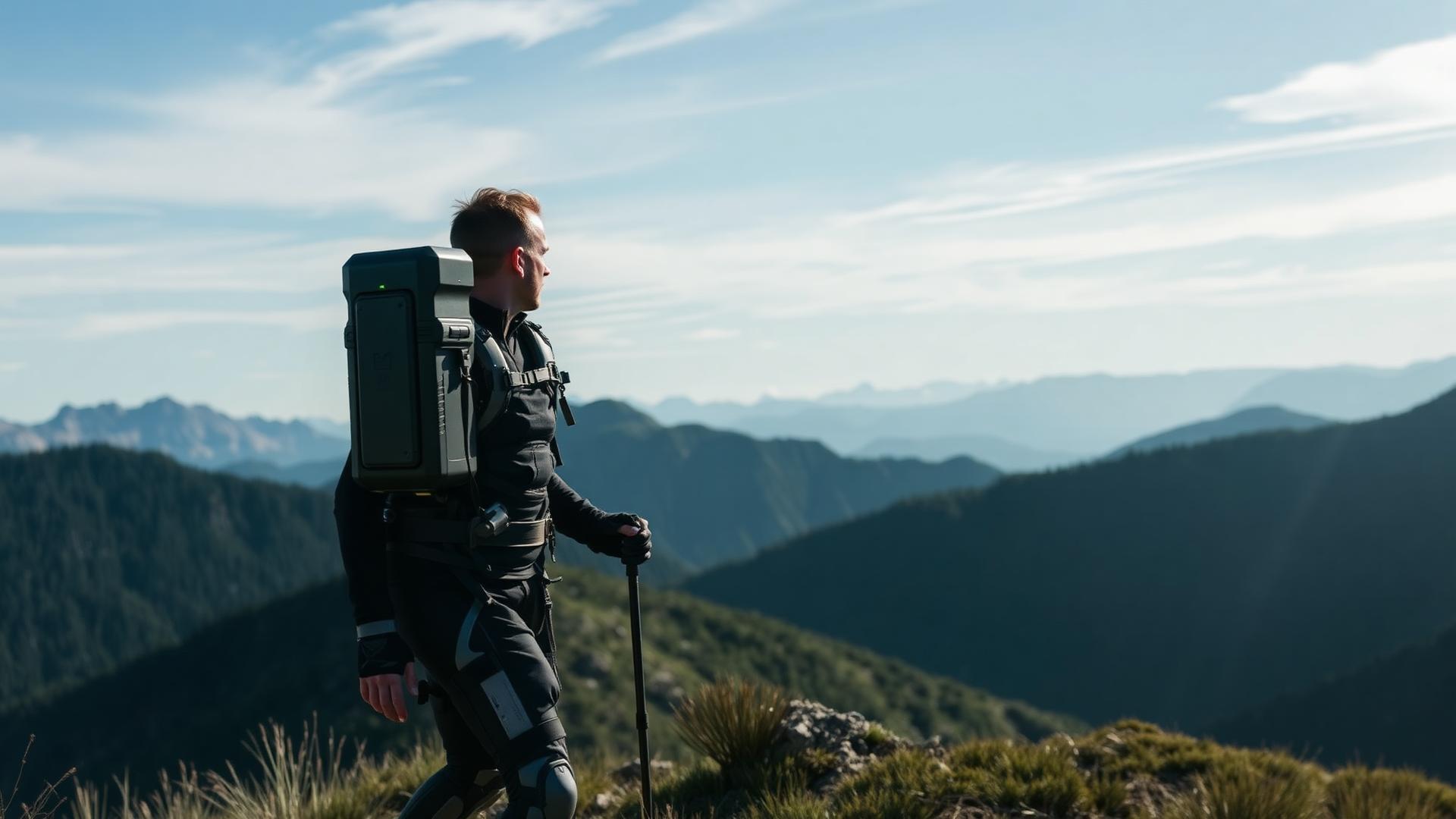
Is HyperShell Worth It? Honest Cost-Benefit Analysis
At $899+, the HyperShell is a serious investment. We break down the real math, who benefits most, and who should spend their money elsewhere.
Disclosure: Some links on this page are affiliate links. We may earn a commission if you make a purchase — at no extra cost to you. Learn more.
Our Verdict
For hikers who tackle challenging terrain twice a month or more — especially those dealing with fatigue, knee pain, or heavy loads — the HyperShell pays for itself in extended trail time, reduced recovery, and joints that last longer. For casual flat-terrain walkers, quality trekking poles are a better investment.
Who This Is For
- Hikers who hike 2+ times per month on hilly terrain
- Anyone whose hikes are limited by fatigue or joint pain
- Heavy-load carriers (15+ kg packs)
- Older hikers investing in trail longevity
- People who've tried everything else for hiking fatigue
Who This Is Not For
- Occasional casual walkers on flat paths
- Hikers who rarely exceed 2-hour trails
- Those on tight budgets — poles offer better value to start
- Ultra-minimalists who refuse battery-dependent gear
Key Benefits
- Measurably extends trail time by 20–30%
- Reduces post-hike recovery — hike more frequently
- Protects joints from cumulative damage over years
- Makes ambitious trails accessible that were previously too hard
- Per-hike cost drops below $10 within the first year for regular hikers
Honest Drawbacks
- $899 upfront cost is significant
- Battery life limits ultra-long single-day hikes
- 2.8 kg adds to base weight
- Minimal benefit on flat, easy terrain
- Technology may improve significantly in 2–3 years
The Real Cost Breakdown
| Hiking Frequency | Year 1 Cost/Hike | Year 2 Cost/Hike | Year 3 Cost/Hike |
|---|---|---|---|
| Weekly (50/year) | $18 | $9 | $6 |
| Twice monthly (24/year) | $37 | $19 | $12 |
| Monthly (12/year) | $75 | $37 | $25 |
| Quarterly (4/year) | $225 | $112 | $75 |
The comparison that matters
Most hikers don't think twice about spending $200 on trail shoes that last one season. The HyperShell costs $6–18 per hike over its lifetime and provides a more impactful performance boost than any other single piece of gear.
What You Actually Get for $899
Beyond the device itself, the HyperShell represents:
- Extended range: 20–30% more trail time before fatigue stops you
- Faster recovery: 25–35% less post-hike soreness means you can hike again sooner
- Joint preservation: Reduced impact forces on every step — compounding over thousands of steps per hike
- Accessibility: Trails that were "too hard" become achievable
- Confidence: Knowing you have assistance if fatigue hits harder than expected
When It's Clearly Worth It
You hike frequently and fatigue limits your enjoyment. If you're hiking 2+ times per month and consistently hitting a wall or cutting trails short, the HyperShell transforms the experience.
You have knee or joint issues. Several of our testers with chronic knee issues reported completing trails they'd previously had to abandon. The long-term joint preservation alone may justify the cost.
You carry heavy loads. Hunters, photographers, and multi-day backpackers see the biggest absolute benefit because the device's percentage reduction applies to a higher total effort.
When It's Not Worth It
You hike casually on flat terrain. The benefits are most noticeable on hills and under load. Flat trail walking sees minimal improvement.
You rarely hike. At fewer than 12 hikes per year, the per-hike cost stays high and the benefits don't compound.
Quality poles would solve your problem. If you don't own trekking poles yet, start there ($100–200). If poles solve your fatigue issues, you may not need an exoskeleton.
30-day trial
HyperShell offers a 30-day return policy. The smartest approach: buy it, test it on your hardest trail, and return it if it doesn't transform the experience. Most people keep it.
Official store — free returns if it's not for you
Frequently Asked Questions
Continue Reading
HikeAssist Team
Our team independently researches and tests every product we recommend. We only suggest gear we'd take on our own hikes.
Stay Trail-Ready
Get weekly tips on reducing fatigue, the latest gear reviews, and hiking science — straight to your inbox.