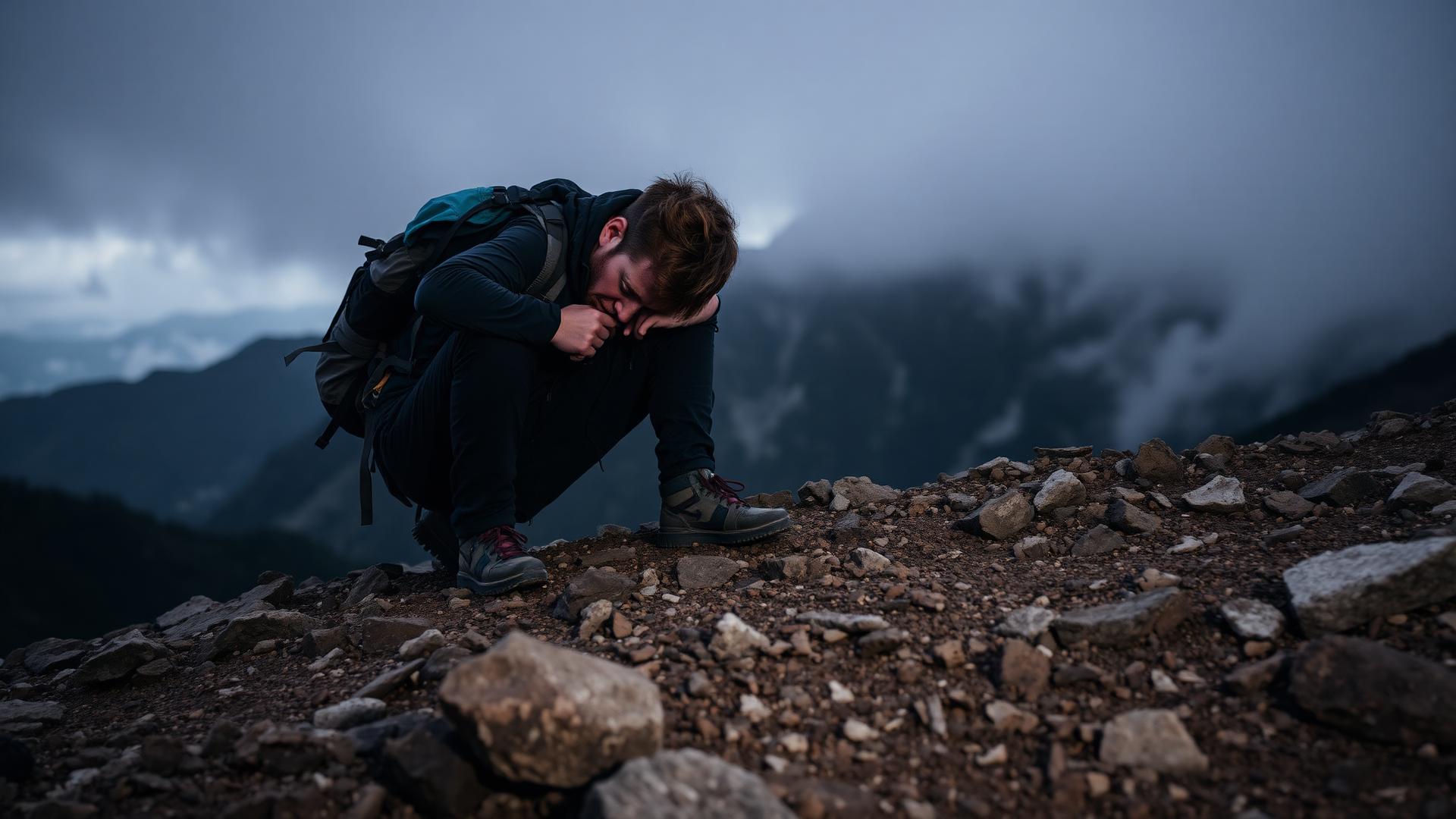
Altitude and Hiking Fatigue: What Happens Above 2500m
How elevation affects your body and practical strategies to minimize altitude-related performance drops.
Disclosure: Some links on this page are affiliate links. We may earn a commission if you make a purchase — at no extra cost to you. Learn more.
Key Takeaways
- At 2,500m, you have roughly 25% less oxygen available per breath.
- The 'climb high, sleep low' strategy accelerates acclimatization by 30%.
- Iron and carbohydrate needs increase significantly above 3,000m.
- Reducing physical effort with assistive tech offsets some altitude-related performance loss.
What Happens to Your Body at Altitude
Ascending above 2,500 meters (roughly 8,200 feet) isn't just about thinning air; it initiates a cascade of physiological changes designed to help your body cope with reduced oxygen availability, a condition known as hypoxia. Our team at HikeAssist has spent countless hours observing these effects, both in controlled environments and on challenging trails from the Andes to the Himalayas. The primary challenge isn't the absolute oxygen percentage in the air – it remains at 20.9% – but rather the partial pressure of oxygen, which decreases significantly. At 5,000 meters (16,400 feet), for example, the atmospheric pressure is roughly half that at sea level, meaning there's half the oxygen molecules available per breath.
The immediate response your body makes is hyperventilation. Your respiratory rate and depth increase, sometimes by as much as 50-100% at moderate altitude, in an attempt to pull in more oxygen. This initial compensatory mechanism, while crucial, has a side effect: it blows off more carbon dioxide than usual. Lowered CO2 levels make your blood more alkaline (respiratory alkalosis), which can trigger symptoms like lightheadedness and tingling extremities. Your kidneys, however, begin to excrete bicarbonate to re-acidify the blood, a slow but vital step in true acclimatization.
Your cardiovascular system also kicks into gear. Your heart rate increases, both at rest and during exertion, to pump oxygenated blood more rapidly around your body. Stroke volume, the amount of blood pumped by the left ventricle in one contraction, may initially decrease, but overall cardiac output rises. Over days, your body responds by increasing erythropoietin (EPO) production, a hormone that stimulates red blood cell (RBC) synthesis in your bone marrow. More RBCs mean more hemoglobin, which in turn means greater oxygen-carrying capacity. This process, however, takes weeks, not hours, to have a significant effect.
Beyond these immediate and systemic responses, cellular-level changes are profound. Your mitochondria, the powerhouses of your cells, become more efficient at utilizing oxygen. There's also an increase in 2,3-bisphosphoglycerate (2,3-BPG) in your red blood cells, which helps release oxygen from hemoglobin to the tissues more readily. Your body even begins to adjust enzyme activity to optimize anaerobic metabolism when oxygen is scarce, a strategy that's less efficient but buys time.
One of the most insidious effects is on sleep. Many hikers report disrupted sleep patterns, frequent awakenings, and periodic breathing (Cheyne-Stokes respiration), where breathing repeatedly stops and starts. This is a common, normal physiological response to altitude and is often exacerbated by the increased respiratory drive. Furthermore, dehydration becomes a significant concern. The colder, drier air at altitude, coupled with increased respiratory rate, leads to greater insensible water loss through breathing. We've observed hikers needing to increase their fluid intake by 50% or more compared to sea-level treks just to maintain hydration.
Finally, there's the brain. High altitude can impair cognitive function, affecting judgment, memory, and reaction time. This isn't just about feeling a bit "fuzzy"; on a technical scramble with exposure, a decrease in cognitive speed and accuracy can have serious consequences. Our wearable tech analysis shows that even experienced hikers exhibit slower decision-making processes and increased error rates on complex tasks above 3,500 meters.
Acclimatization Strategies
True acclimatization isn't about simply enduring; it's about giving your body the time and conditions to adapt physiologically to the hypoxic stress. This is perhaps the single most critical factor in mitigating altitude-related fatigue and preventing acute mountain sickness (AMS). Our golden rule, derived from decades of guiding and research, is "climb high, sleep low" whenever possible.
For hikes taking you above 2,500 meters, especially if you plan to sleep above 3,000 meters, a gradual ascent profile is non-negotiable. Plan your itinerary to include staging days. For example, if your ultimate goal is a 4,500-meter peak, consider spending two nights at 2,500 meters, then moving to 3,000 meters for another two nights, before continuing. Above 3,000 meters, we advise increasing your sleeping elevation by no more than 300-500 meters (1,000-1,600 feet) per day, and incorporating an "active rest day" every 2-3 days where you stay at the same altitude for a night, or climb higher during the day but return to sleep at your previous night's elevation.
During these active rest days, a short, gentle hike (1-2 hours) to a higher elevation, followed by a descent back to your sleeping altitude, is incredibly beneficial. This "climb high, sleep low" principle primes your body for the higher altitude without the added stress of trying to recover and sleep in a more hypoxic environment. On an expedition to Aconcagua, for instance, our team would often push 500-800 meters higher during the day to cache gear or scout the route, then descend to base camp. This strategy significantly improved overall comfort and performance compared to direct, continuous ascents observed in other groups.
Hydration is paramount for acclimatization. The increased respiratory rate and dry air accelerate fluid loss. Aim for 3-5 liters of water daily, possibly more, depending on activity levels and external conditions. This isn't just about preventing dehydration symptoms; adequate fluid intake aids kidney function in excreting bicarbonate, a key part of pH balance adjustment during acclimatization. Electrolyte-rich drinks can be helpful to replenish salts lost through sweat and increased urine output. We often use effervescent electrolyte tablets, which are easy to carry and mix.
Consider pharmaceutical aids cautiously and only after consulting a medical professional. Acetazolamide (Diamox) is a commonly prescribed medication that accelerates acclimatization by stimulating bicarbonate excretion, effectively mimicking and speeding up the kidney's natural response. It typically requires starting 24-48 hours before ascent and continuing for a few days at altitude. While it can reduce the incidence and severity of AMS symptoms by 50-70%, it's not a substitute for proper acclimatization and comes with its own side effects (tingling, frequent urination).
Finally, listen to your body. No two individuals acclimatize at the same rate. What works for one person might not work for another. Be vigilant for early signs of AMS: headache, nausea, fatigue, dizziness, and difficulty sleeping. If symptoms worsen, or if balance becomes impaired (ataxia), immediate descent is the only effective treatment. Ignoring these signs can lead to more severe conditions like High Altitude Pulmonary Edema (HAPE) or High Altitude Cerebral Edema (HACE), which are life-threatening.
Nutrition at Altitude
Your nutritional needs shift significantly at altitude, and neglecting them can drastically compound fatigue and impair acclimatization. We've observed that many hikers underestimate the caloric demands and specific macronutrient requirements in hypoxic environments. The stress of altitude, combined with increased physical exertion and colder temperatures, elevates your basal metabolic rate (BMR) by 10-20% even at rest. When you're actively hiking, your total caloric expenditure can easily double or even triple your sea-level needs.
Carbohydrates become your body's preferred fuel source at altitude. Oxygen utilization is more efficient when burning carbohydrates compared to fats or proteins, meaning your body can generate more ATP (cellular energy) per unit of oxygen consumed. Aim for a diet rich in complex carbohydrates, making up 60-70% of your total caloric intake. Think whole grains, pasta, rice, fruits, and starchy vegetables. Simple sugars can provide quick bursts of energy but should be balanced with complex carbs to avoid blood sugar crashes. Our field tests consistently show that hikers who prioritize carbohydrate intake report lower perceived exertion and sustained energy levels on multi-day high-altitude treks.
While carbohydrates are king, don't neglect protein. Adequate protein intake (around 1.2-1.5g per kg of body weight) is crucial for muscle repair and preventing muscle loss, which can be accelerated by the catabolic state induced by altitude stress. Lean meats, fish, legumes, nuts, and dairy are excellent sources. Fats, while less efficient oxygen-wise, are calorie-dense and play a role in sustained energy, especially on longer, slower climbs. Choose healthy fats from avocados, nuts, seeds, and olive oil.
Dehydration, as mentioned earlier, is a major issue, but so is maintaining electrolyte balance. Increased respiration and urination lead to greater losses of sodium, potassium, and magnesium. Supplementing with electrolyte drinks, salty snacks, and foods rich in these minerals (bananas for potassium, spinach for magnesium) can prevent muscle cramps, headaches, and general malaise. On our training expeditions, we always carry a variety of hydration multipliers and electrolyte powders.
Many hikers experience a loss of appetite (anorexia) at altitude, which can make it challenging to consume enough calories. To combat this, we recommend:
- Eat small, frequent meals: Instead of three large meals, aim for 5-6 smaller meals or nutrient-dense snacks throughout the day. This is often easier on the stomach.
- Choose palatable foods: What tastes good at sea level might not appeal at 4,000 meters. Experiment with a variety of foods before your trip. Bland, comforting foods sometimes work best.
- Liquid calories: Soups, stews, hot chocolates, and nutrition shakes can be easier to consume when appetite is low.
- Snack consistently: Keep energy bars, dried fruit, nuts, and chocolate easily accessible in your pack. Consciously graze even when you don't feel hungry.
Altitude Pacing Rules
Pacing at altitude is fundamentally different from pacing at sea level. The primary constraint is no longer muscular endurance or cardiovascular fitness in the traditional sense, but rather the availability of oxygen. Pushing too hard too fast is a common mistake that leads directly to exacerbated fatigue and increased risk of AMS. Our mantra for high-altitude ascents is "slow and steady wins the race," or more accurately, "slow and steady allows you to finish the race at all."
Forget your sea-level personal bests. Your V02 max, the maximum rate of oxygen consumption, significantly decreases with altitude – by roughly 10% for every 1,000 meters above 1,500 meters. This means your effective "engine size" shrinks dramatically. A pace that feels easy at home might push you into an anaerobic state within minutes at 3,500 meters, quickly building up lactic acid and causing premature fatigue. We instruct our clients to adopt a pace that allows for continuous conversation without gasping for breath. This "talk test" is an excellent, real-time indicator of your aerobic threshold.
Break down your day into smaller, manageable chunks. Instead of focusing on the entire 1,500-meter ascent in the Dolomites, set mini-goals, like reaching the next visible landmark or covering a certain distance. This psychological framing helps prevent feeling overwhelmed. On steep sections, consider a "rest step" or "pressure breathing" technique. The rest step involves locking your knee momentarily on each step, allowing your skeletal system to bear the weight and providing a mini-rest for your leg muscles. Pressure breathing involves forcefully exhaling through pursed lips, which helps to keep your airways open and maximize gas exchange in the lungs.
Regular, short breaks are more effective than infrequent, long breaks. Aim for 5-10 minute breaks every hour, rather than a single 30-minute break every few hours. Use these breaks to hydrate, snack, adjust layers, and check in with your group. On a recent traverse in the Peruvian Andes, we implemented a strict 5-minute break every 45 minutes of climbing. This disciplined approach kept overall energy levels consistent and minimized the "bonk" feeling that often accompanies prolonged exertion at altitude.
Your Heart Rate Variability (HRV) and resting heart rate (RHR) can be invaluable tools for assessing your body's stress response to altitude, especially when using wearable hiking technology. We encourage hikers to monitor these metrics daily. A significantly elevated RHR or a sharp drop in HRV compared to your baseline can indicate that your body is overstressed or struggling to acclimatize, suggesting you might need to slow down, take a rest day, or even consider descending. While our personal experience often serves as the best guide, objective data provides tangible support for crucial decisions.
Finally, listen to your hiking partners. High altitude can subtly impair judgment. What feels like a manageable pace to you might be pushing a partner to their limit. A cohesive group moving at the slowest person's comfortable pace is always safer and more efficient in the long run than a fragmented string of individuals pushing too hard.
To summarize these altitude strategies: prioritize slow, mindful ascents. Employ a "climb high, sleep low" approach when possible. Maintain aggressive hydration and carbohydrate-rich nutrition. Pace yourself using the "talk test" and break up your day with frequent, short rests. Monitor your body's signals, both subjective feelings and objective data from wearables. These combined tactics will significantly reduce fatigue and enhance your safety and enjoyment in high-altitude environments.
When to Descend
Knowing when to descend is arguably the most critical decision you'll make at high altitude. While conservative ascent strategies and proper acclimatization mitigate risks, they don't eliminate them. Acute Mountain Sickness (AMS), High Altitude Cerebral Edema (HACE), and High Altitude Pulmonary Edema (HAPE) are serious, potentially fatal conditions that demand swift, decisive action. Our absolute rule is: if uncertain, descend immediately.
The cardinal symptoms of AMS include headache, nausea (with or without vomiting), fatigue, dizziness, and difficulty sleeping. If you experience mild AMS symptoms that are stable, not worsening, and respond to rest, hydration, and over-the-counter pain relievers (like ibuprofen), it may be acceptable to stay at your current altitude for a rest day. However, if symptoms persist, worsen, or don't improve with medication, you must descend. Even a descent of a few hundred meters can provide significant relief.
The red flags that indicate a more severe condition and necessitate immediate, substantial descent are:
- Worsening Headache: A headache that is severe, unresponsive to medication, and accompanied by other symptoms.
- Ataxia (Loss of Balance): This is a hallmark sign of HACE. If a person cannot walk heel-to-toe in a straight line, their cerebellum is swelling. This is a medical emergency. Test this regularly by asking your hiking partners to walk a straight line.
- Severe Nausea/Vomiting: Inability to keep food or water down, leading to dehydration and further incapacitation.
- Cough and Breathlessness at Rest: These are primary indicators of HAPE. If someone develops a persistent cough, feels significantly short of breath even when sitting still, or experiences chest tightness, HAPE is highly suspected. Listen for crackling sounds in the lungs if possible.
- Altered Mental Status: Confusion, irrational behavior, drowsiness, disorientation, or difficulty forming coherent sentences. This is another critical sign of HACE.
- Peripheral Edema: Swelling in the face, hands, or feet, though not always indicative of severe illness, can be a warning sign if accompanied by other symptoms.
Do not wait for all symptoms to manifest. Recognize that judgment can be impaired at altitude, making self-diagnosis difficult. Trust your instincts and the observations of your hiking partners. If someone in your group is exhibiting severe symptoms, or if there's any doubt about their condition, assume the worst and initiate a descent.
A descent of 500-1,000 meters (1,600-3,300 feet) can often stabilize a person with severe AMS. For HACE and HAPE, even larger descents are often required, sometimes as much as 2,000 meters or more, until symptoms dramatically improve. If a person is too ill to walk themselves, they must be assisted or carried down. Wilderness medical protocols emphasize that supplementary oxygen can provide temporary relief but is not a substitute for descent. Dexamethasone and nifedipine are emergency medications for HACE and HAPE, respectively, but their administration should only be done by trained personnel and never in place of descent.
Always have an emergency plan. Know your evacuation routes, communication methods (satellite phone or inReach device coverage), and have emergency contact information readily accessible. Before setting out, discuss with your group what symptoms would warrant a descent and agree on a clear decision-making process. Prevention is key, but preparedness for descent is what saves lives when things go wrong.
Reduce Oxygen Demand on the Trail
By lowering muscular effort, the HyperShell helps your body cope with reduced oxygen at altitude.
Read Our HyperShell ReviewFrequently Asked Questions
HikeAssist Team
Our team of avid hikers, gear testers, and outdoor enthusiasts independently research and test every product and strategy we recommend.