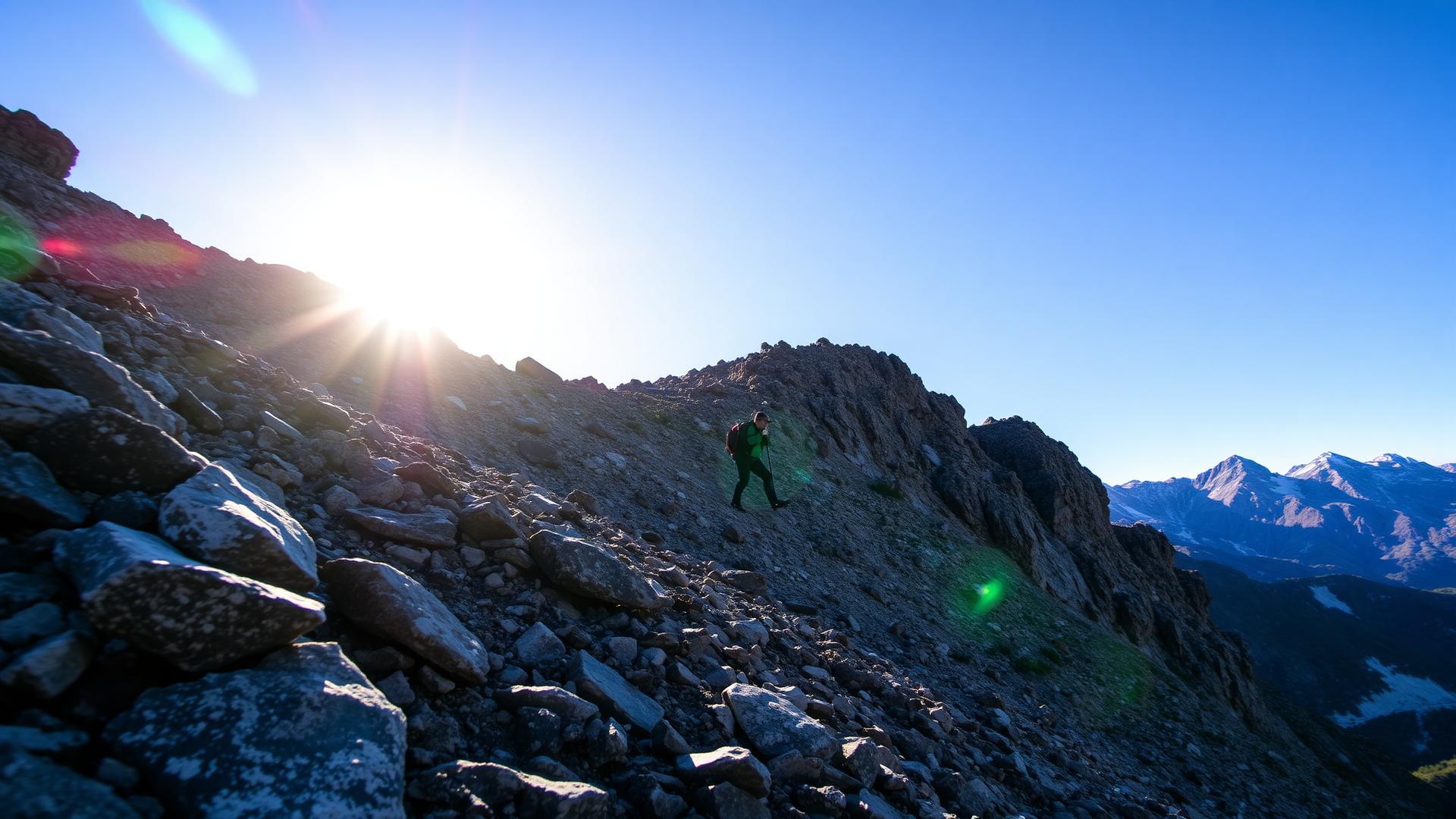
How to Climb Hills with Less Fatigue
Proven pacing, breathing, and technique strategies to make uphill hiking easier — from the rest step to pressure breathing to powered assist devices.
Disclosure: Some links on this page are affiliate links. We may earn a commission if you make a purchase — at no extra cost to you. Learn more.
Key Takeaways
- The rest step technique lets your skeleton bear weight momentarily, saving muscle energy on long climbs.
- Pressure breathing increases oxygen exchange and delays breathlessness on steep grades.
- Shorter strides uphill keep your heart rate 10–15% lower than long power-steps at the same speed.
- Trekking poles redistribute 20–25% of climbing effort to your upper body.
- Powered exoskeletons can reduce perceived climbing effort by up to 30%.
Uphill hiking doesn't have to leave you gasping at every switchback. With the right pacing strategy, breathing rhythm, and technique adjustments, you can climb more efficiently — and actually enjoy the ascent.
The Rest Step Technique
Used by mountaineers for decades, the rest step involves briefly locking your rear knee on each step, transferring your body weight to your skeleton instead of your muscles. This creates a micro-rest on every stride.
The technique works because bone supports load with zero metabolic cost, while muscle requires continuous energy. Over a 1,000m ascent, these micro-rests add up to dramatically less quad fatigue.
How to practice
Start on a gentle slope. With each step forward, fully straighten your rear leg for a half-second before pushing off. It should feel like a brief pause — almost a swagger. Speed will drop slightly, but sustainability increases enormously.
Pressure Breathing
Forcefully exhaling through pursed lips on steep sections creates back-pressure in your lungs, improving gas exchange. This technique — called pressure breathing — delays the onset of breathlessness, especially at altitude.
Inhale naturally through your nose, then exhale forcefully through pursed lips as if blowing out a candle. Match your breathing to your steps: inhale for 2 steps, exhale for 2 steps.
Shorten Your Stride
Long strides uphill waste energy. Each large step-up requires significantly more quad force and raises your heart rate. Shorter, more frequent steps keep you in a lower, more sustainable effort zone.
The numbers
Shortening your stride by 30% on steep terrain can reduce heart rate by 10–15 bpm at the same overall pace. You cover the same distance with less cardiovascular stress.
Use Your Arms
Trekking poles distribute climbing effort across your upper body, reducing leg workload by 20–25%. On steep sections, they also improve balance and help establish a sustainable climbing rhythm.
Plant your poles slightly ahead and push down as you step up. This engages your triceps, shoulders, and core — spreading the work across more muscle groups.
Pacing by Heart Rate
If you wear a heart rate monitor, aim to keep your HR below 75% of your max on sustained climbs. Above this threshold, you shift into anaerobic territory and fatigue accelerates exponentially.
If you don't have a monitor, the "talk test" works well: you should be able to speak in short sentences without gasping. If you can't, slow down.
When Technology Helps
Powered hiking devices provide active assistance during the push phase of uphill walking. Devices like the HyperShell use hip-level motors to boost each stride, reducing perceived effort significantly on sustained climbs.
Our testers consistently reported 10–15% lower heart rates at the same uphill pace when using powered assistance — the equivalent of removing several kilograms from your pack.
HyperShell vs Trekking Poles: Which Gives More Support?
We compare powered assistance with traditional poles head-to-head. See which is right for your hiking style.
Read the ComparisonFrequently Asked Questions
HikeAssist Team
Our team of avid hikers, gear testers, and outdoor enthusiasts independently research and test every product and strategy we recommend.