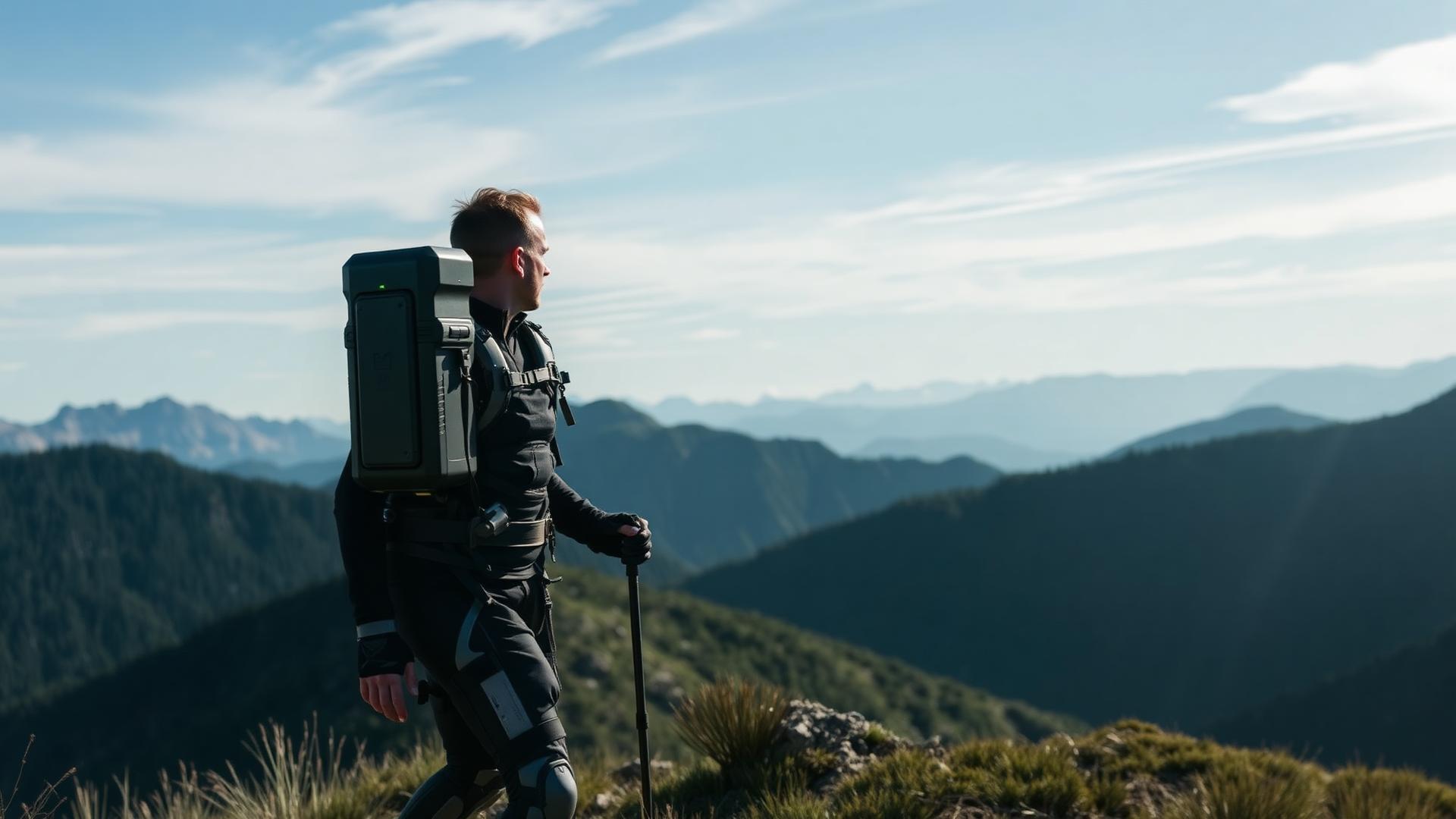
HyperShell vs Trekking Poles: Which Gives More Trail Support?
Two fundamentally different approaches to trail support — we've tested both extensively. Here's when each one wins.
Disclosure: Some links on this page are affiliate links. We may earn a commission if you make a purchase — at no extra cost to you. Learn more.
Our Verdict
For most hikers, the answer isn't either/or — it's both. Poles provide balance and upper-body engagement; the HyperShell provides powered leg assistance. Together, they're the ultimate trail support system. If budget forces a choice: start with quality poles, upgrade to HyperShell when terrain and ambition demand it.
Who This Is For
- Hikers comparing powered assistance vs. traditional support options
- Pole users curious whether an exoskeleton is worth the upgrade
- Anyone assembling the optimal trail support kit
Who This Is Not For
- Hikers who've already decided on one option
- Those hiking exclusively on flat, groomed trails
Key Benefits
- Powered, hands-free leg assistance (HyperShell)
- Balance, rhythm, and upper-body engagement (Poles)
- Both reduce lower-body fatigue — through different mechanisms
Honest Drawbacks
- HyperShell: Higher cost, battery dependent, heavier
- Poles: Occupy hands, less effective for direct leg fatigue
Head-to-Head Comparison
| Feature | HyperShell | Trekking Poles |
|---|---|---|
| Type | Powered hip exoskeleton | Manual walking poles |
| Weight | 2.8 kg | 400–600g (pair) |
| Hands-Free | ✓ Yes | ✗ Occupies both hands |
| Uphill Assist | Motor-powered (up to 30%) | Manual arm push (15–20%) |
| Downhill Assist | Active braking mode | Impact absorption |
| Battery Required | Yes (3–5 hours) | No |
| Balance Support | Minimal | Excellent |
| Scrambling | Limited | Can be stowed |
| Price | From $899 | $30–$200 |
| Learning Curve | 10–30 minutes | 1–2 hikes |
When Poles Win
Trekking poles are lighter, cheaper, require no charging, and provide excellent upper-body engagement. They're ideal for balance on technical terrain, river crossings, and as emergency tent poles or splints. For most casual day hikers on moderate terrain, poles are all you need.
Poles are still essential gear
Even HyperShell users should own poles. On very technical terrain where the exoskeleton's benefit is reduced, poles provide critical stability. They're complementary tools, not competitors.
When HyperShell Wins
The HyperShell provides significantly more assistance on sustained climbs and descents. It's hands-free, which matters for scrambling, photography, or simply enjoying the view. For hikers with knee issues, heavy loads, or endurance goals, the powered assistance outperforms poles substantially.
Our testers found the HyperShell's uphill benefit roughly equivalent to removing 5–7 kg from their pack — a level of support poles can't match.
The Combined Setup
Many experienced testers found the HyperShell + poles combination provides the ultimate trail support. The exoskeleton handles the heavy lifting for your legs while poles provide balance, rhythm, and upper-body engagement.
Free shipping + 30-day returns
Frequently Asked Questions
Continue Reading
HikeAssist Team
Our team independently researches and tests every product we recommend. We only suggest gear we'd take on our own hikes.
Stay Trail-Ready
Get weekly tips on reducing fatigue, the latest gear reviews, and hiking science — straight to your inbox.