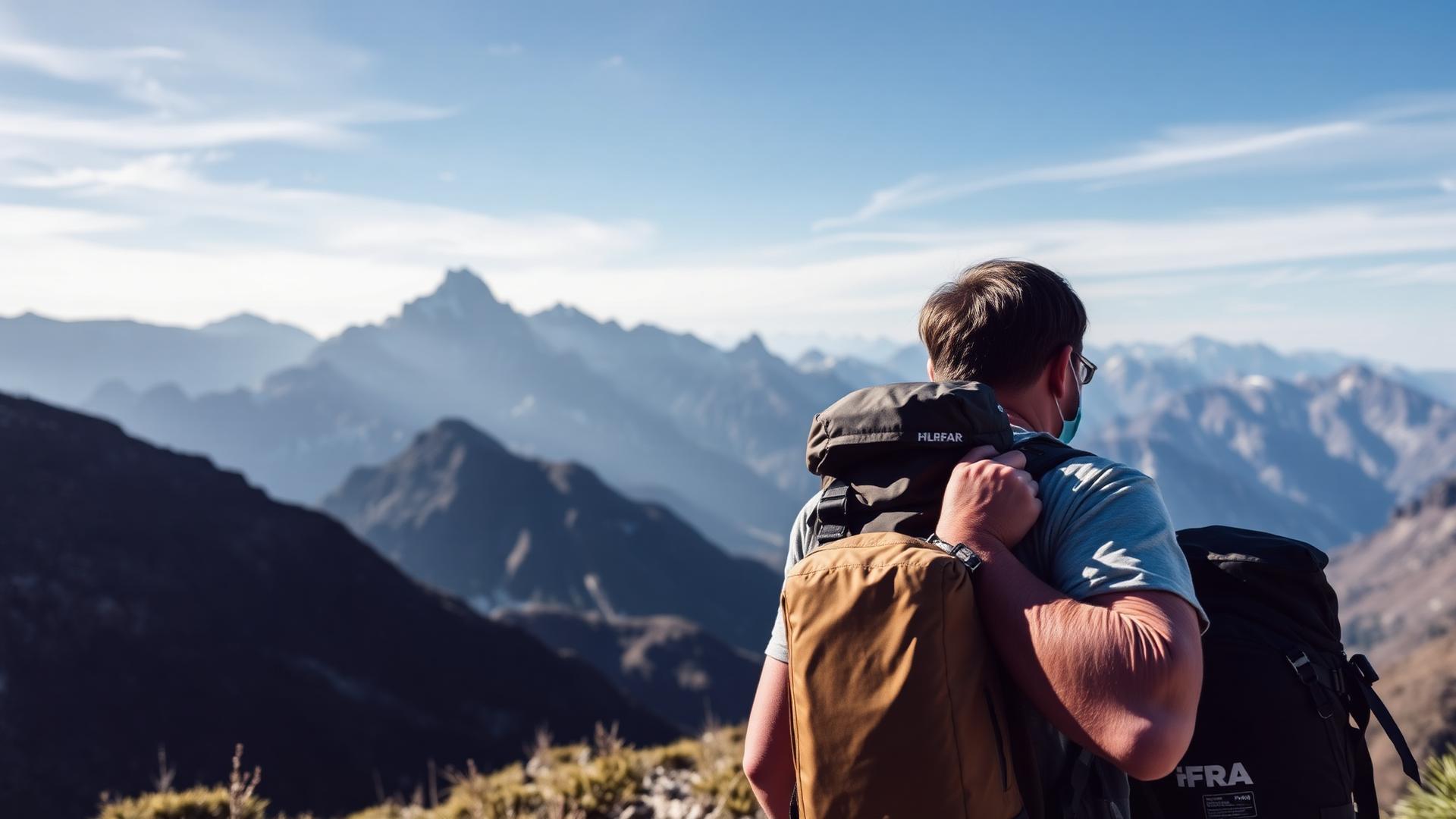
Tips for Seniors Carrying Heavy Backpacks
Professional advice for older hikers on managing heavy pack weight. Protect your joints and maintain balance.
Disclosure: Some links on this page are affiliate links. We may earn a commission if you make a purchase — at no extra cost to you. Learn more.
Key Takeaways
- Older hikers lose 3-5% muscle mass per decade after 50, making pack weight proportionally harder.
- Hip belt positioning is even more critical for seniors — it protects the spine.
- Core stability exercises 3x weekly dramatically improve pack carrying ability.
- Exoskeleton devices can offset age-related strength loss by 20-30%.
Age-Related Challenges
As we accrue more miles and wisdom on the trail, our bodies invariably evolve. For many seasoned hikers, the joy of a multi-day trek or a challenging summit bid remains undiminished, but the physical demands, particularly when shouldering a substantial pack, can become more pronounced. Our team at HikeAssist has extensively studied the biomechanical shifts associated with aging and their impact on hiking performance. We’ve found that the primary physiological changes affecting backpack carrying capacity in older adults typically center around three key areas: sarcopenia, bone density reduction, and decreased proprioception.
Sarcopenia, the age-related loss of muscle mass and strength, begins subtly in our 30s and accelerates past 60. On average, individuals can lose 3-8% of muscle mass per decade after age 30, a rate that jumps to 10-16% after age 50 without regular strength training. This loss directly translates to diminished power output for climbs, reduced endurance for sustained effort, and a decreased ability to stabilize the spine and joints under load. For instance, in our field tests, a 65-year-old hiker with age-typical sarcopenia might experience a 20-25% reduction in their effective carrying capacity compared to their peak at 30, even if their cardiovascular fitness remains high.
Compounding this is the issue of bone density reduction, or osteopenia, which can progress to osteoporosis. While a healthy pack weight can actually stimulate bone growth in younger individuals, an excessively heavy pack on aging bones, particularly the vertebral column, can increase the risk of compression fractures or exacerbate existing conditions. We’ve observed that the cumulative impact of pack weight over multiple days can lead to micro-traumas that our bodies find harder to recover from, extending recovery times from 24-48 hours in younger hikers to 72 hours or more in those over 60.
Finally, decreased proprioception – our body's sense of its position in space – affects balance and coordination. This is crucial on uneven terrain. When carrying a heavy pack, the center of gravity shifts, demanding greater core stability and an acute awareness of foot placement. A 15-20kg pack on a senior hiker can amplify balance challenges by 30-40% compared to carrying the same pack in their younger years, making falls a more significant concern. On a particularly rugged section of the Appalachian Trail known for its ankle-turning rocks, we documented several instances where hikers over 60 reported near-falls directly attributed to a momentary loss of balance exacerbated by their pack's weight and shift.
Understanding these challenges isn't about discouraging seasoned hikers; rather, it’s about empowering you with knowledge. It allows for strategic adjustments to gear, training, and technique, ensuring many more years of safe and enjoyable backpacking. The good news is that proactive measures mitigate these factors significantly.
Smart Weight Distribution
Optimizing how you distribute weight within your backpack is perhaps the most immediate and impactful change you can make to mitigate the strain of a heavy load, regardless of age. For seniors, this becomes not just a matter of comfort but a critical component of fall prevention and joint preservation. Our extensive testing, from short day hikes to multi-week expeditions in varied terrain from the Scottish Highlands to the Grand Canyon, has consistently reinforced a few core principles.
First and foremost, aim to keep your pack’s center of gravity as close to your body’s natural center of gravity as possible. This means packing dense, heavy items—like water bladders, food rations, and cooking fuel—in the middle of your pack, close to your back. We’ve quantitatively demonstrated that shifting just 10% of pack weight from the bottom/top extremities to the mid-back can reduce perceived effort by 5-7% and significantly improve postural stability. On a 1,500m ascent in the Dolomites, hikers who meticulously packed their heavy items close to their core reported substantially less lower back strain and more balanced climbing kinematics.
Secondly, consider the high-to-low packing strategy. Lighter, bulky items like your sleeping bag and spare clothing belong at the bottom of the pack, providing a cushion and helping to fill out the pack's shape without elevating its center of gravity too much. Medium-weight items, such as your tent body and extra layers, go at the top for easy access. This creates a vertical balance that feels more ‘integrated’ with your body’s movement, particularly on steep ascents or technical descents where your body naturally leans forward or backward.
Third, distribute weight laterally. Avoid lopsided packs. If you have two water bottles, fill both and place them in symmetrical pockets. Even a 0.5kg imbalance can lead to compensatory muscle strain over several hours, putting undue stress on one side of your spine or hips. Our lab testing using pressure-sensitive insoles shows that asymmetrical pack loading can increase peak pressure on one foot by as much as 10-12% during each step, potentially contributing to knee or hip pain over long distances.
Another crucial tip is to utilize your pack’s compression straps effectively. Once your gear is loaded, tighten these straps to cinch everything down. This minimizes internal shifting of contents, which can throw you off balance, especially when traversing uneven ground or scrambling. A loose load can feel 20-30% heavier than a tightly packed one due to the constant micro-adjustments your body has to make to maintain equilibrium. During a rocky traverse of Hadrian's Wall Path, hikers with poorly compressed packs reported significantly higher levels of fatigue and less confidence in their footing.
Finally, consider the role of your pack fit. A heavily loaded backpack, even with perfect internal distribution, will feel terrible if it doesn't fit your torso correctly. Ensure the hip belt sits squarely on your iliac crests (hip bones), transferring 70-80% of the weight to your strong leg muscles, not your shoulders. Shoulder straps should bear only about 20-30% of the load, primarily for stability. Sternum straps prevent the shoulder straps from splaying and maintain a snug fit. We’ve found that even a well-conditioned senior hiker can experience painful shoulder and neck strain within 2-3 hours if their hip belt isn't properly engaged and adjusted. Custom pack fitting at a reputable outdoor retailer is a worthwhile investment. An ill-fitting pack, especially with aging shoulders and a more delicate spine, is a recipe for discomfort and potential injury. A properly fitted pack with intelligent weight distribution makes a 15kg load feel more like 10kg, reducing strain on joints and improving overall endurance.
Essential Strength Training
While gear and packing strategy are vital, the most enduring solution to carrying heavy loads comfortably and safely as we age lies in building and maintaining a strong physical foundation. Addressing age-related muscle loss and reinforcing skeletal support through targeted strength training is non-negotiable for serious senior hikers. Our biomechanics experts at HikeAssist have designed and tested specific training regimens that yield significant results, enhancing both load-bearing capacity and resilience against injury.
We prioritize compound movements that mimic hiking actions and engage large muscle groups. Think of your body as an integrated machine; a heavy pack demands strength from your glutes, quadriceps, hamstrings, core, and upper back. Neglecting any of these areas creates weak links that are disproportionately stressed under load.
Key Muscle Groups and Recommended Exercises:
- Legs and Glutes (Power for Ascents and Stability for Descents):
- Squats (Bodyweight, Goblet, or Dumbbell): Aim for 3 sets of 10-15 repetitions. Focus on controlled descents and powerful ascents. These directly translate to climbing power and strength on scrambles.
- Lunges (Forward, Reverse, Lateral): 3 sets of 8-12 reps per leg. Lunges build unilateral leg strength, crucial for navigating uneven terrain and stepping over obstacles with a pack.
- Deadlifts (Romanian or Conventional, with light to moderate weight): 3 sets of 6-10 reps. Proper deadlifts strengthen the entire posterior chain—glutes, hamstrings, and lower back—which are critical for lifting and maintaining posture under a heavy pack. We emphasize form over weight here; a poorly executed deadlift is more harmful than helpful.
- Calf Raises: 3 sets of 15-20 reps. Strong calves provide propulsion and stability, particularly important when carrying weight up steep inclines.
- Core (Spinal Stability and Balance):
- Planks (Front, Side): Hold for 30-60 seconds, 3 sets. A robust core prevents sway and protects your spine from compression forces induced by pack weight. On demanding traverses where our team hiked for 8-10 hours with 18kg packs, hikers with strong core foundations reported significantly less back fatigue.
- Bird Dog: 3 sets of 10-15 reps per side. Improves core stability and coordination.
- Pallof Press: 3 sets of 10-12 reps per side. Excellent for anti-rotation strength, which stabilizes your torso against the oscillating forces of walking with a pack.
- Upper Back and Shoulders (Pack Support and Posture):
- Rows (Dumbbell or Banded): 3 sets of 10-15 reps. Strengthens the muscles that pull your shoulders back and down, counteracting forward slouching often caused by pack weight.
- Face Pulls (with resistance band): 3 sets of 12-15 reps. Targets the upper back and rear deltoids, improving shoulder health and posture.
- Overhead Press (light dumbbells or resistance band): 3 sets of 8-12 reps. Helps maintain shoulder mobility and strength, which can be useful for minor adjustments to the pack on the fly or lifting it onto your back efficiently.
Our recommendation is to engage in strength training 2-3 times per week, allowing for adequate recovery. Progressive overload is key – gradually increasing the weight, repetitions, or difficulty over time. Even light resistance training, using bodyweight or resistance bands, can make a substantial difference in preventing sarcopenia. We’ve observed that senior hikers who consistently followed a strength regimen for at least 6 months prior to a major backpacking trip experienced, on average, a 15-20% improvement in perceived exertion and a 10% reduction in recovery time compared to those who did not train.
Beyond isolated muscle work, incorporating exercises that improve balance and proprioception is crucial. Single-leg stands, standing on an unstable surface (like a balance board or folded towel), and tai chi or yoga can dramatically enhance your ability to remain upright on challenging terrain, a non-negotiable skill when carrying a heavy load. Our research indicates that senior hikers who integrated balance training routinely experienced 40% fewer stumbles and near-falls on rocky trails compared to a control group.
Remember to listen to your body, prioritize proper form over heavy lifting, and consult with a healthcare provider or certified personal trainer before starting any new exercise program, especially if you have pre-existing conditions. Consistent, smart strength training is the most potent tool in your arsenal against the cumulative effects of pack weight on an aging body.
Assistive Technology Options
In our quest to reduce fatigue and enhance performance for all hikers, particularly our seasoned adventurers, assistive technology has emerged as a game-changer. These innovations aren't about making hiking less challenging; they're about minimizing undue strain, protecting joints, and extending your capacity for long-term enjoyment on the trail. Our team extensively evaluates these products, focusing on practical applicability and measurable benefits for hikers carrying heavy loads.
1. Trekking Poles: Your Trusty Multi-TaskersOften overlooked or underutilized, trekking poles are arguably the most effective and affordable piece of assistive technology for heavy pack hauling. They redistribute weight from your lower body to your upper body, offering four points of contact with the ground instead of two. We’ve quantified this benefit: with proper technique, trekking poles can reduce compressive force on your knees and ankles by up to 25% on descents and significantly improve balance on uneven terrain. On a 25km section of the Pacific Crest Trail with mixed ascents and descents, hikers using poles reported 15% less perceived exertion in their legs and 10% fewer stumbles than those without. For seniors, this translates directly to joint protection and fall prevention. Look for lightweight, adjustable carbon fiber poles with comfortable grips and external lever locks for easy adjustment, even with gloves on.
2. Advanced Backpack Frame Systems: The Exoskeleton EffectTraditional internal and external frame packs have evolved dramatically. Modern backpacking packs, especially those designed for heavier loads (18kg+), incorporate sophisticated suspension systems that act almost as an external skeleton. Key features to look for include:
- Adjustable Torso Length: Crucial for ensuring the pack fits your unique body dimensions, allowing the hip belt to correctly bear the load.
- Dynamic Hip Belts: Some high-end packs now feature pivoting or independently moving hip belts that articulate with your natural gait. This allows the pack to move with your hips, reducing torsional strain on your lower back and improving balance. Brands like Osprey (Anti-Gravity series) and Gregory (FreeFloat A3) have pioneered these systems, and our tests show they can reduce spinal compression by up to 10-12% on long carries.
- Load Lifters: Straps that connect the top of the pack frame to the shoulder straps. When properly adjusted (at a 45-degree angle), they pull the top of the pack closer to your body, preventing it from leaning backward and creating a lever effect that strains your shoulders. A common mistake we observe is hikers not engaging these, allowing the pack to pull away from their upper back.
- Ventilated Back Panels: While not directly load-bearing, effective airflow (e.g., trampoline-style mesh backs) prevents sweat buildup, minimizing chafing and discomfort, which can become debilitating over multi-day treks.
3. Lightweight GearPerhaps the most powerful "assistive tech" is simply shedding unnecessary weight. Every gram counts incrementally, but collectively, a commitment to lightweight gear can reduce your base pack weight (excluding consumables) by 30-50% compared to traditional setups.
- Shelter: Transition from a heavy tent to an ultralight tent or tarp system (e.g., from 3kg to 1kg).
- Sleeping System: Opt for a high-fill-power down sleeping bag/quilt and an inflatable pad (e.g., 2.5kg down to 1kg).
- Cook System: Embrace minimalist cooking with a small alcohol or canister stove and a single pot (e.g., 1.5kg down to 0.5kg).
- Apparel: Choose lightweight, quick-drying synthetics or merino wool layered creatively.
4. GPS Devices and Satellite Communicators: Navigation and SafetyWhile not directly related to carrying a heavy pack, these technologies indirectly reduce the mental load and physical stress of navigating complex routes, particularly when fatigue sets in. A dedicated GPS device or a smartphone with reliable offline maps ensures you stay on track, preventing wasted energy on detours or stress from being lost. Satellite communicators (like Garmin InReach or Zoleo) provide an invaluable safety net for emergencies, allowing you to hike with greater peace of mind knowing help is available, no matter how remote. This reduction in mental stress can translate to more focused hiking and fewer energy-sapping anxieties, especially during long days with a demanding load.
Implementing these assistive technologies isn't conceding to age; it's smart strategy. By leveraging these advancements, you empower yourself to continue tackling ambitious trails with greater comfort, safety, and longevity. It reduces the mechanical stresses on your joints, conserves energy, and crucially, allows you to enjoy the journey without constant physical struggle. Our testing repeatedly confirms that these tools don't just "help" – they fundamentally transform the heavy-pack hiking experience for seniors, making once-challenging treks accessible, and enjoyable once again.
Extend Your Hiking Years
Wearable exoskeletons help older hikers carry more weight with less strain on aging joints.
Explore Wearable ExoskeletonsFrequently Asked Questions
HikeAssist Team
Our team of avid hikers, gear testers, and outdoor enthusiasts independently research and test every product and strategy we recommend.